Antiretroviral Drugs

Antiretroviral drugs

Introduction Antiretroviral drugs have revolutionized the treatment of HIV, turning what was once a fatal diagnosis into a manageable chronic condition. These medications, central to HIV treatment and management, work by inhibiting the replication of the virus in the body, thereby reducing the viral load and bolstering the immune system. The role of antiretroviral drugs … Read more

Pharmacology of Tamoxifen

breast cancer therapy

Introduction Tamoxifen has emerged as a fundamental drug in oncology, revolutionizing breast cancer treatment and management. Esteemed for both its efficacy and versatility, it has been a mainstay in medical treatments for decades. Additionally, Tamoxifen has shown effectiveness in a range of other medical conditions, reflecting its broad pharmacological utility. What is Tamoxifen? Tamoxifen is a … Read more

Heparin: A Comprehensive Guide

Heparin-A Comprehensive Guide

Introduction Heparin stands as one of the most essential and time-honored anticoagulants utilized in modern medicine. Discovered early in the 20th century, it found rapid acceptance in clinical practice for the prophylaxis and treatment of thromboembolic disorders. By inhibiting various steps in the coagulation cascade, heparin helps prevent the formation and extension of clots, making it invaluable … Read more

Pharmacology of Loratadine

Pharmacology of Loratadine

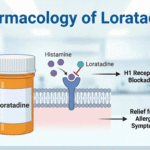
Introduction Loratadine is a widely used second-generation antihistamine renowned for its effectiveness in alleviating allergy symptoms such as sneezing, runny nose, and itchy or watery eyes. By selectively blocking peripheral histamine Hโ‚-receptors, loratadine significantly diminishes the effects of endogenous histamine, thus relieving the hallmark symptoms of allergic rhinitis, urticaria, and other hypersensitivity ailments. Thanks to its preferential targeting … Read more

Pharmacology of Pilocarpine

pilocarpine

Introduction Pilocarpine is a naturally occurring alkaloid derived from the leaves of plants belonging to the genus Pilocarpus. Widely recognized for its potent cholinergic properties, pilocarpine has been an essential therapeutic agent in ophthalmology for over a century. Furthermore, it plays a role in treating xerostomia (dry mouth) in conditions such as Sjรถgrenโ€™s syndrome. Pharmacologically, … Read more

Pharmacology of Propranolol

beta blockers

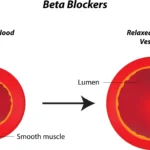
Introduction Propranolol, a beta-adrenergic blocker, has been a mainstay in the treatment of various cardiovascular diseases. First synthesized in the 1960s, it revolutionized the management of conditions like hypertension, angina pectoris, and cardiac arrhythmias. Chemical Structure and Properties Propranolol is a synthetic, non-selective beta-adrenergic receptor antagonist. Its chemical structure is (RS)-1-(isopropylamino)-3-(1-naphthyloxy)propan-2-ol. This lipophilic compound has … Read more

Pharmacology of Testosterone

Testosterone

Introduction Testosterone is a key hormone in the human body, primarily recognized for its role in male sexual development and secondary sexual characteristics. However, its pharmacological profile extends well beyond basic reproduction and development. Testosterone exerts significant influence on muscle mass, bone density, red blood cell production, and even certain aspects of behavior. Understanding its pharmacology is pivotal … Read more

Pharmacology of Albendazole

Albendazole

Albendazole is a broad-spectrum benzimidazole anthelmintic that disrupts parasite microtubules and energy metabolism, leading to ovicidal, larvicidal, and vermicidal effects across key helminth infections. Clinically, it is FDA-approved for parenchymal neurocysticercosis and cystic hydatid disease, with established off-label utility against soil-transmitted helminths in accordance with public health guidance. Overview Albendazole is a synthetic methyl 5-(propylthio)-2-benzimidazolecarbamate … Read more

Pharmacology of Amiodarone

Amiodarone

Introduction Amiodarone is a potent, pleiotropic antiarrhythmic agent classified as a Vaughan-Williams Class III drug, renowned for its efficacy in managing a wide spectrum of life-threatening cardiac arrhythmias. Its complex pharmacodynamic and pharmacokinetic features distinguish it among antiarrhythmics, demanding thorough understanding for safe and effective clinical use. Amiodarone is widely utilized for both acute and chronic … Read more

Pharmacology of Clindamycin

Clindamycin

Clindamycin is a semi-synthetic lincosamide antibiotic that exerts its antimicrobial action by binding to the 23S rRNA of the 50S ribosomal subunit, thereby inhibiting bacterial protein synthesis through blockage of peptide bond formation and interference with translocation. This results predominantly in a bacteriostatic effect, though bactericidal activity may be observed at higher concentrations against certain … Read more