Congestive heart failure (CHF) is a condition in which the heart is unable to pump blood effectively, leading to fluid accumulation in the lungs and other body tissues.
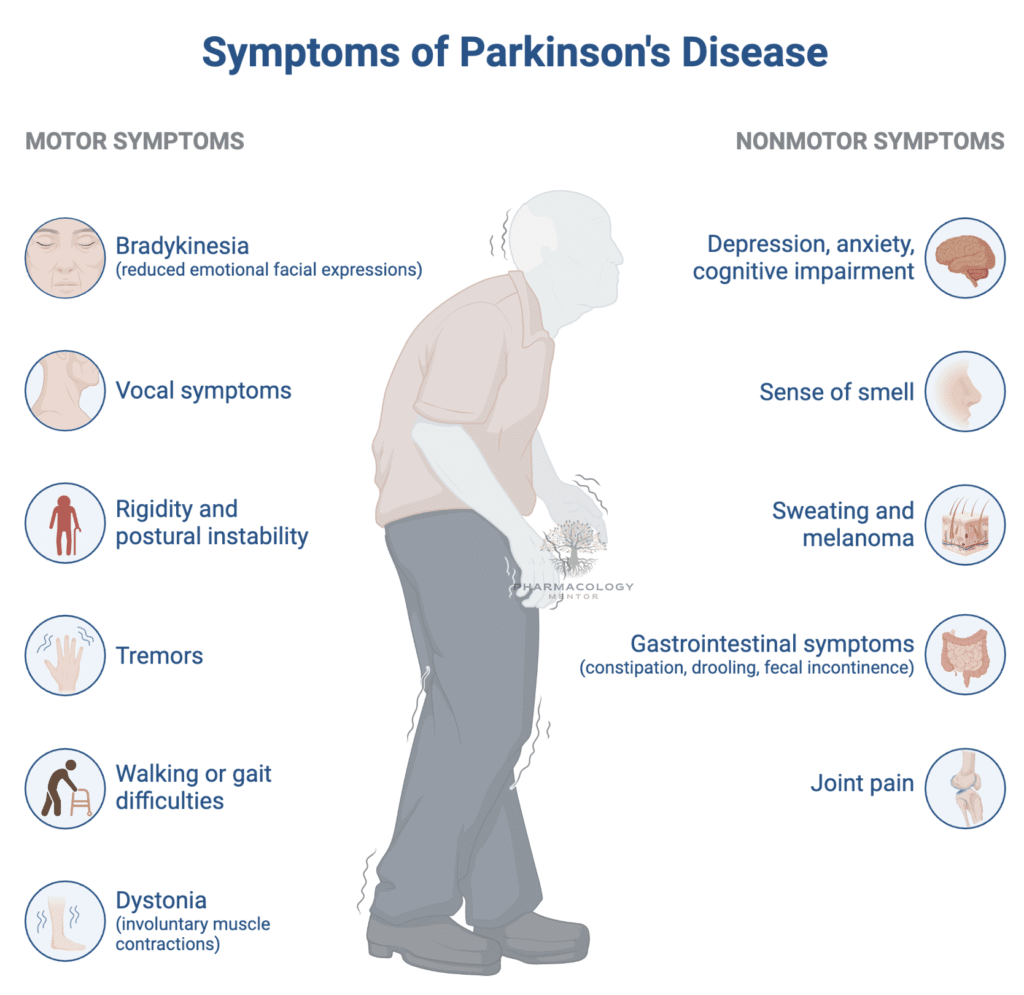
Overview Parkinson disease (PD) is a progressive neurodegenerative disorder characterized by motor features (bradykinesia, rigidity, rest tremor, postural instability) and a wide array of nonmotor symptoms (autonomic dysfunction, sleep disorders,…
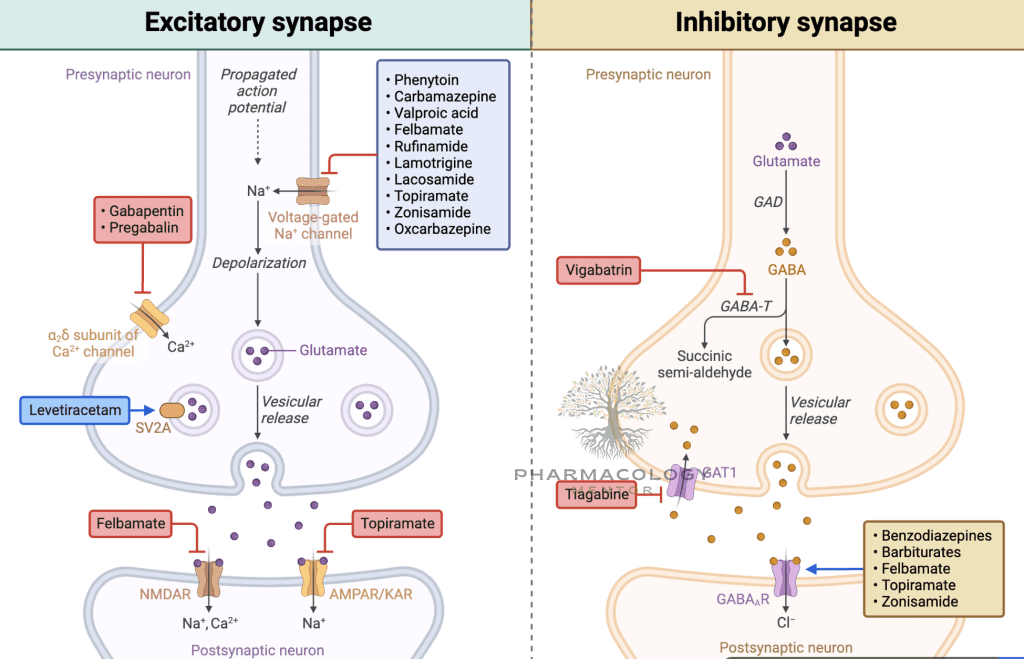
Introduction Epilepsy is a chronic neurological disorder defined by recurrent, unprovoked seizures resulting from abnormal excessive or synchronous neuronal activity in the brain. Antiepileptic drugs (AEDs), now more accurately known as…
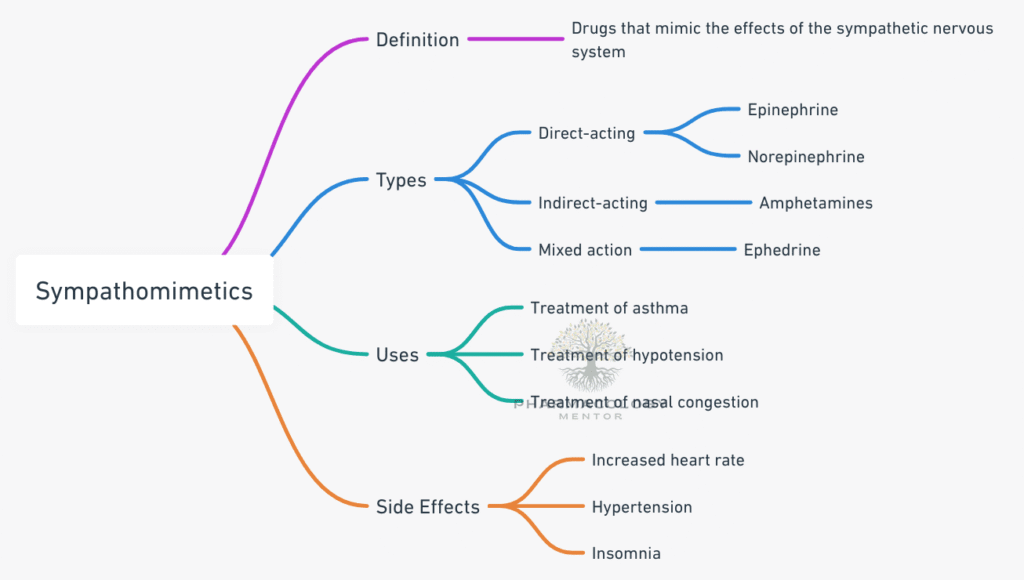
1 · Introduction Sympathomimetic agents—or adrenergic agonists—comprise a pharmacological super-family that mimics or amplifies the actions of endogenous catecholamines (noradrenaline, adrenaline and dopamine) at α1, α2, β1, β2, β3 and…
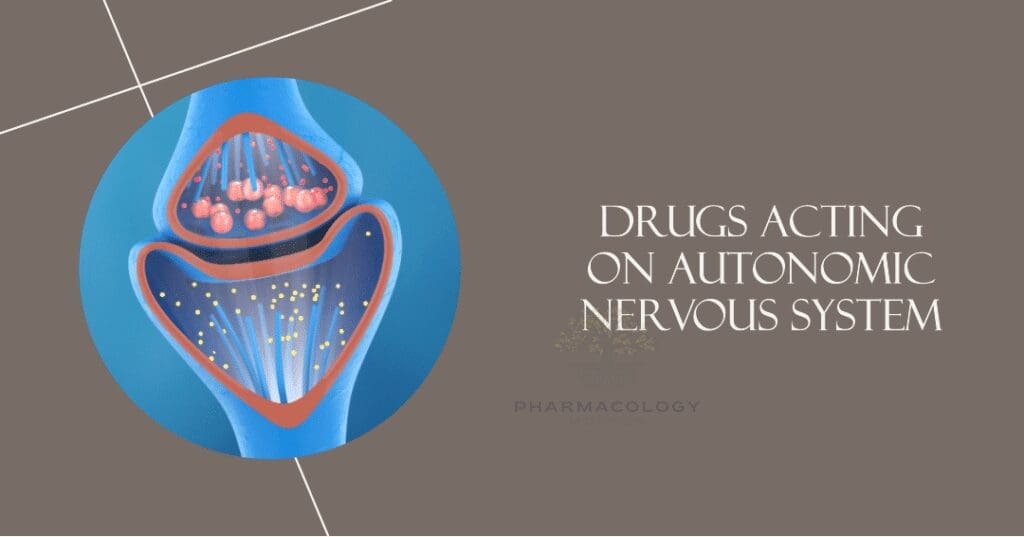
Understanding the action of drugs on the autonomic nervous system (ANS) can be simplified by drawing a comparison with the adrenaline/epinephrine-induced fight, flight, and fright response. This response, also known…
Introduction Mood disorders—including bipolar disorder, schizoaffective disorder, and certain forms of unipolar depression—are chronic and debilitating mental health conditions. Characterized by pathologic mood swings, from manic or hypomanic states to…
Introduction Cough—an involuntary, forceful expulsion of air from the lungs—is one of the most frequent symptoms leading to medical consultation. As a physiologic reflex, cough serves as the body's first…
Essential medicines are drugs selected to meet the priority health care needs of a population, chosen on the basis of public‑health relevance, comparative efficacy and safety, cost‑effectiveness, and assured quality,…
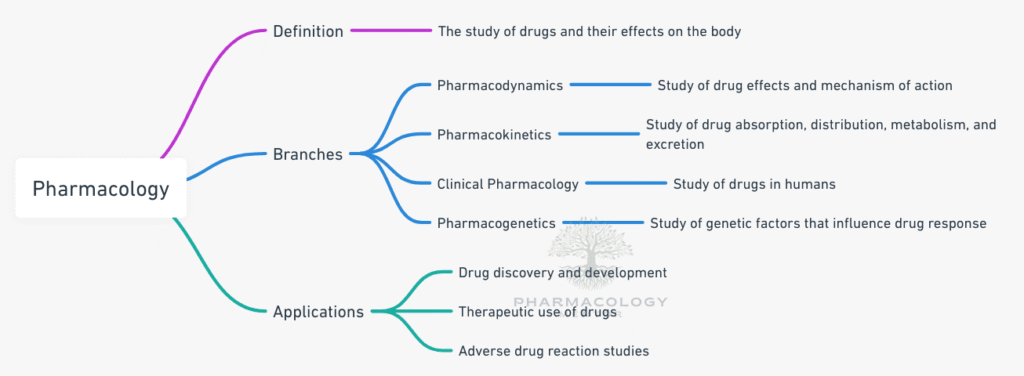
What is Pharmacology? Pharmacology is the branch of science concerned with the study of drugs, their actions on living systems, mechanisms of action, uses in treatment, and adverse effects. Pharmacology serves…