Antiarrhythmic drugs: Lidocaine (Class 1B)
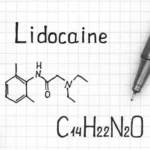
lidocaine

If you trained in a time when every crash cart seemed to include “lido,” you remember lidocaine as the go-to antidote for ugly ventricular ectopy. Today, it has a more selective role—but when it is the right drug, it can be lifesaving. Lidocaine (also known as lignocaine) is a prototypical Class 1B antiarrhythmic with rapid … Read more
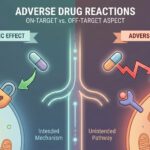
Adverse Drug Reactions: On-target and Off-target aspect

ADRs

Introduction Adverse drug reactions (ADRs) remain a formidable challenge in clinical pharmacology and patient care. They can significantly diminish quality of life, induce severe morbidity and mortality, extend hospital stays, and inflate healthcare costs. While clinicians often conceive of ADRs as allergies or toxic effects, the mechanistic distinctions are far more nuanced. One central classification, … Read more

Preclinical Trials: Things You Need to Know

Preclinical Trials

Introduction: The Gatekeepers of Drug Development Preclinical trials are the cornerstone of medical research and development. They serve as the critical “gatekeeper” stage in the long journey of bringing a new drug to market. While often simplified as “animal testing,” preclinical development is a highly regulated, scientifically rigorous process designed to bridge the gap between … Read more

Pharmacology of Potassium-Sparing Diuretics

Potassium-sparing diuretics

Potassium-sparing diuretics are a class of diuretic medications that increase diuresis (urine production) while conserving potassium, contrasting with thiazide and loop diuretics that promote potassium loss. They are used primarily to counteract hypokalemia and as adjuncts in conditions involving excessive fluid retention or aldosterone excess. Classification and Key Agents Class Main Drugs Site of Action … Read more

Pharmacology of Loop Diuretics

loop diuretics

Introduction Loop diuretics are a cornerstone of therapy in conditions where rapid and potent diuresis (urine output) is required. By inhibiting sodium and chloride reabsorption in the thick ascending limb (TAL) of the loop of Henle, loop diuretics evoke profound excretion of sodium, chloride, and water—often making them the most efficacious diuretic class available. Clinicians rely heavily … Read more

Pharmacology of Insulin

Factors influencing insulin release

Introduction Discovered almost a century ago, insulin remains a cornerstone of therapy for diabetes mellitus—a global health challenge characterized by hyperglycemia, insulin resistance, and/or insufficient insulin secretion. Beyond diabetes, insulin also plays pivotal roles in metabolic research and critical care (e.g., hyperkalemia management). Fundamentally, insulin drives glucose uptake into muscle and adipose tissue, regulates hepatic glucose output, … Read more

The Comprehensive Guide to Anticancer Drugs: What You Need to Know

Anticancer drugs

Introduction to Anticancer Drugs: Anticancer drugs are medications that inhibit the development and spread of cancerous cells. They achieve this by interfering with the DNA and RNA that cause cell division. Since cancer cells divide more rapidly than normal cells, they are more susceptible to these drugs. Classification of Anticancer Drugs: 1. Alkylating Agents: 2. … Read more

Pharmacology of Alpha-Blockers

alpha-blockers

Introduction Alpha-adrenergic receptor antagonists, commonly referred to as alpha-blockers, form a crucial element in the pharmacologic management of several cardiovascular and genitourinary conditions. By blocking alpha-1 and/or alpha-2 adrenergic receptors, these agents cause a diverse array of effects, from vasodilation in peripheral blood vessels to smooth muscle relaxation in the bladder neck and prostate. Clinicians frequently use alpha-blockers to treat hypertension, benign prostatic … Read more

Pharmacology of Alpha Agonists

alpha blockers

Introduction to Alpha Agonists: Alpha agonists are a class of drugs that primarily act on alpha-adrenergic receptors. These receptors are part of the sympathetic nervous system and respond to the neurotransmitters epinephrine (adrenaline) and norepinephrine (noradrenaline). When activated, alpha receptors typically cause constriction of blood vessels and an increase in blood pressure. Alpha agonists can … Read more

Sympathomimetics: Beta-Agonists

Beta-agonists

Introduction to Beta-Agonists: Beta-agonists are medications that stimulate beta receptors in the body. These receptors are found in various tissues, including the lungs, heart, and blood vessels. Due to their effects, beta-agonists are commonly used to treat conditions like asthma, chronic obstructive pulmonary disease (COPD), and certain heart conditions. Classification of Beta-Agonists: Mechanism of action: … Read more