
The Vomiting Centre and the Chemoreceptor Trigger Zone (CTZ)
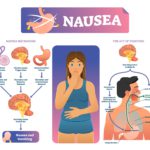
CTZ role in nausea and vomiting

1 · Introduction Vomiting (emesis) is an evolutionarily conserved defence reflex that forcefully expels gastric—and at times intestinal—contents through the mouth. Although the motor act seems singular, it is orchestrated by a distributed brain-stem network that integrates sensory danger signals from the gut, the bloodstream, the vestibular system and higher cortical areas. Two functional loci dominate … Read more
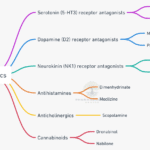
Pharmacology of antiemetic drugs

Pharmacology of Antiemetic Drugs

Introduction Nausea and vomiting are protective reflexes designed to prevent the ingestion or continued digestion of harmful toxins. However, when severe, they can significantly deteriorate patient comfort, compromise treatment adherence, and lead to complications such as electrolyte imbalances, dehydration, and undernutrition. Antiemetic drugs play a critical role across various clinical contexts—perioperative care, chemotherapy, radiation therapy, infectious gastroenteritis, … Read more

Parasympatholytics/Cholinergic antagonists

Cholinergic antagonists - Parasympatholytics

Introduction Parasympatholytics, also known as anticholinergics, are a class of drugs that inhibit the actions of the neurotransmitter acetylcholine on parasympathetic nerve endings. These drugs can be classified based on their mode of action and target sites. This article will delve into the classification of parasympatholytics, individual drug pharmacological actions, clinical uses, adverse effects, atropine … Read more