Aspirin: A Comprehensive Pharmacological Overview

Aspirin

Aspirin, scientifically known as acetylsalicylic acid (ASA), is a cornerstone in the world of nonsteroidal anti-inflammatory drugs (NSAIDs). With its multifaceted roles as an analgesic, antipyretic, and anti-inflammatory agent, aspirin has secured its position as one of the most frequently administered medications worldwide. Mechanism of Action At the heart of aspirin’s mechanism is its ability to irreversibly … Read more
Understanding Cyclooxygenase (COX) Enzymes

Cyclooxygenase

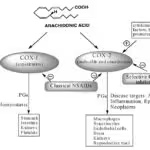
Cyclooxygenase (COX), which is also called prostaglandin-endoperoxide synthase (PTGS), is an enzyme that converts arachidonic acid into prostanoids like thromboxane and prostaglandins like prostacyclin. This enzyme is a member of the animal-type heme peroxidase family and is also referred to as prostaglandin G/H synthase. The specific reaction it catalyzes involves the conversion of arachidonic acid … Read more

Pharmacology of Benzodiazepines

Benzodiazepines

Introduction Benzodiazepines are a cornerstone of modern pharmacotherapy for anxiety, insomnia, seizure disorders, muscle spasms, and other related conditions. By enhancing the effects of the primary inhibitory neurotransmitter in the central nervous system (CNS), gamma-aminobutyric acid (GABA), these drugs can reduce excessive neuronal excitability and provide sedation, anxiolysis, anticonvulsant action, and muscle relaxation. Their relatively favorable therapeutic index, compared … Read more

Pharmacology of Antitussives

landscape image of antitussives

Introduction Aย coughย is one of the most common clinical symptoms that prompts patients to seek medical care. Although it serves a critical protective role in clearing secretions, irritants, and pathogens from the airways, an excessive or persistent cough can compromise quality of life, disrupt daily activities, and impair sleep. The term โ€œantitussivesโ€ refers to a broad … Read more

Pharmacology of antiemetic drugs

Pharmacology of Antiemetic Drugs

Introduction Nausea and vomiting are protective reflexes designed to prevent the ingestion or continued digestion of harmful toxins. However, when severe, they can significantly deteriorate patient comfort, compromise treatment adherence, and lead to complications such as electrolyte imbalances, dehydration, and undernutrition. Antiemetic drugs play a critical role across various clinical contextsโ€”perioperative care, chemotherapy, radiation therapy, infectious gastroenteritis, … Read more

Pharmacology of Mucosal Protective Agents

landscape image on mucosal protective agents

Introduction Peptic ulcer disease, gastritis, gastroesophageal reflux disease (GERD), and other erosive conditions of the gastrointestinal (GI) tract rank among the most common and debilitating ailments worldwide. In managing these disorders,ย mucosal protective agentsย have emerged as a pivotal therapeutic class, working not by neutralizing gastric acid or suppressing its secretion, but byย shieldingย the gastric and duodenal mucosa … Read more

Pharmacology of Antacids

landscape image on Antacids

Introduction Antacids represent one of the oldest and most commonly used groups of medications for gastrointestinal acidity-related disorders. By chemically neutralizing excessive gastric acid, antacids rapidly relieve symptoms such as heartburn, epigastric discomfort, and acid reflux. They are widely employed in both prescription and over-the-counter (OTC) formulations, delivering rapid relief for millions of individuals with peptic ulcer disease, gastroesophageal … Read more

Pharmacology of H2 Receptor Antagonists

H2 Receptor Antagonists

Histamine H2 receptor antagonists are competitive blockers of gastric parietal-cell H2 receptors that suppress basal and stimulated acid secretion and are used for GERD, peptic ulcer disease, hypersecretory states, and selected prophylaxis indications, with famotidine preferred clinically because of potency and safety while ranitidine has been withdrawn for NDMA contamination concerns. The class reduces nocturnal … Read more

Antimicrobial Resistance and its mechanisms

Antimicrobial Resistance

Antimicrobial resistance (AMR) is the process by which microorganisms evolve to withstand the effects of drugs that were once effective against them. Understanding the mechanisms of resistance is vital for clinicians, microbiologists, and policy makers in managing infections and designing stewardship interventions. What Is Antimicrobial Resistance? AMR occurs when previously susceptible microbes (bacteria, fungi, viruses, … Read more

Antibiotic Stewardship: A Complete Overview for Healthcare Professionals

Antibiotic Stewardship

Antibiotic stewardship refers to coordinated interventions designed to improve and measure the appropriate use of antibiotics by promoting the selection of the optimal antibiotic regimen including dosing, duration, and route of administration. The primary goals are to optimize clinical outcomes, minimize toxicity and adverse events, limit the development of resistance, and reduce unnecessary costs. Why … Read more