Pharmacology of thyroid and antithyroid drugs – an Overview

thyroid and antithyroid drugs

Physiology of Thyroid Hormones Thyroid Hormone Synthesis The thyroid secretes T4 and T3, the synthesis of which depends on dietary iodine or iodide supplements.– Iodide ion is actively taken up by the thyroid, where it is converted to elemental iodine by thyroidal peroxidase.– The protein thyroglobulin acts as a scaffold for thyroid hormone synthesis, with … Read more

Pharmacology of Prostaglandin Analogues

prostaglandin analogues

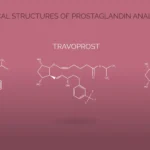
I. Introduction Prostaglandins are autacoids derived from arachidonic acid via the cyclooxygenase pathway and modulate numerous physiological processes—vascular tone, inflammation, gastric cytoprotection, uterine contraction, and intraocular pressure. Prostaglandin analogues are synthetic structural or functional mimetics designed to replicate or enhance one or more actions of natural prostaglandins, often with improved pharmacokinetics and receptor selectivity. Their … Read more

Pharmacology of Diphenhydramine

Diphenhydramine

Introduction Diphenhydramine is a prototypical first-generation antihistamine with a long history of clinical use for allergic reactions, insomnia, motion sickness, and a variety of off-label applications. Its popularity in both prescription and over-the-counter preparations is a testament to its versatility, but its significant sedative and anticholinergic properties necessitate a deep understanding for safe and effective use. … Read more

Pharmacology of Levocetirizine

levocetrizine

Introduction Levocetirizine is a second-generation antihistamine, serving as the pharmacologically active R-enantiomer of cetirizine. Commonly prescribed for chronic allergic rhinitis and chronic idiopathic urticaria, levocetirizine delivers high efficacy with a low risk of sedation, improving over first-generation antihistamines through minimisation of CNS side effects due to limited blood-brain barrier penetration.​ Chemical Structure & Classification Mechanism … Read more

Pharmacology of Histamine and Antihistamines

antihistamine

Overview Histamine is a ubiquitous biogenic amine that influences vascular tone and permeability, sensory nerve activity (especially itch), airway smooth muscle, gastric acid secretion, and central nervous system arousal. Among its diverse receptor subtypes (H1–H4), the H1 receptor is the dominant mediator of the hallmark symptoms of immediate-type (type I) allergic reactions in the skin … Read more

Histamine and Antihistamines

anithistamines

Introduction Histamine stands as a fundamental mediator in allergic reactions, inflammatory processes, and various physiological functions such as gastric acid secretion and neurotransmission. Endogenously, it is produced and stored predominantly in mast cells and basophils, with additional roles in neurons. When released, histamine exerts significant effects on smooth muscles, vascular endothelium, and secretory tissues, orchestrating symptoms associated with … Read more

Pharmacology of Autacoids

autacoids

Introduction Autacoids (from the Greek “autos,” meaning self, and “acos,” meaning remedy) are locally acting biological factors that exert diverse physiological and pathophysiological effects. Unlike classical hormones, which are synthesized in specific endocrine organs and travel through the bloodstream to distant targets, autacoids are often produced by local tissues in response to stimuli and act at or … Read more

Pharmacology of Adrenaline

pharmacology of adrenaline

Adrenaline, also referred to by its international nonproprietary name epinephrine, is a naturally occurring catecholamine released primarily by the adrenal medulla. As one of the most crucial hormones in the human body’s “fight-or-flight” response, adrenaline orchestrates a range of physiological changes to prepare the body for stress or danger. In medicine, synthetic or pharmaceutical forms of … Read more

Pharmacology of Succinylcholine

succinylcholine

Succinylcholine, also known by its alternative name suxamethonium, is a depolarizing neuromuscular blocking agent that has been widely used in anesthesia practice for decades. Its rapid onset and short duration of action make it an ideal choice for rapid sequence intubation and other clinical settings where immediate paralysis is necessary. Despite being one of the oldest … Read more

Pharmacology of Vecuronium

Vecuronium

Vecuronium is a non-depolarizing neuromuscular blocking agent utilized for muscle relaxation during surgical procedures or as an adjunct in general anesthesia. Here’s a detailed breakdown of its pharmacology: Classification Mechanism of Action: Pharmacokinetics Indications Adverse Effects Drug Interactions Special Populations This thorough analysis of Vecuronium’s pharmacology underscores its mechanism of action, pharmacokinetics, clinical uses, and … Read more