Pharmacology of Anticholinergics: Atropine

Atropine

Introduction Atropine—the prototypical naturally occurring belladonna alkaloid—has been used in medicine for well over a century. Extracted chiefly from Atropa belladonna (deadly night-shade), it remains indispensable in anesthesia, cardiology, ophthalmology, toxicology, and emergency medicine. Because it blocks muscarinic acetylcholine (ACh) receptors, atropine exemplifies the class of competitive antimuscarinic (parasympatholytic) agents. 1. Historical and Chemical Background 1.1 Botanical … Read more

Classification of Adrenergic Receptors: A Quick Overview

adrenergic receptors

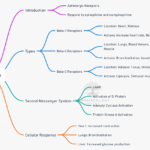
Introduction Adrenergic receptors play a pivotal role in regulating physiological processes and are the target of numerous pharmacological interventions. These receptors are broadly classified into α and β types, with further subtypes within each group. This article aims to provide a comprehensive understanding of the classification of adrenergic receptors, their functional roles, and their implications … Read more

Pharmacology of Alpha-Blockers

alpha-blockers

Introduction Alpha-adrenergic receptor antagonists, commonly referred to as alpha-blockers, form a crucial element in the pharmacologic management of several cardiovascular and genitourinary conditions. By blocking alpha-1 and/or alpha-2 adrenergic receptors, these agents cause a diverse array of effects, from vasodilation in peripheral blood vessels to smooth muscle relaxation in the bladder neck and prostate. Clinicians frequently use alpha-blockers to treat hypertension, benign prostatic … Read more

Pharmacology of Beta-Blockers

beta-blockers

Introduction Beta blockers, also known as β-adrenergic receptor antagonists, are a foundational class of cardiovascular drugs used to treat hypertension, ischemic heart disease, heart failure, arrhythmias, and other conditions. By blocking the actions of catecholamines—particularly norepinephrine (noradrenaline) and epinephrine (adrenaline)—at β-adrenergic receptors, these agents reduce sympathetic overstimulation and exert a range of beneficial clinical effects. … Read more

Pharmacology of Alpha Agonists

alpha blockers

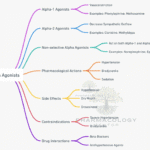
Introduction to Alpha Agonists: Alpha agonists are a class of drugs that primarily act on alpha-adrenergic receptors. These receptors are part of the sympathetic nervous system and respond to the neurotransmitters epinephrine (adrenaline) and norepinephrine (noradrenaline). When activated, alpha receptors typically cause constriction of blood vessels and an increase in blood pressure. Alpha agonists can … Read more

Beta Receptors: A Complete Overview for Medical Professionals

Beta receptors

Introduction to Beta Receptors: Beta receptors are adrenergic receptors that respond to the neurotransmitters epinephrine (adrenaline) and norepinephrine (noradrenaline). They are part of the G-protein-coupled receptor family and play a crucial role in the sympathetic nervous system, responsible for the “fight or flight” response. There are three main types of beta receptors: beta-1 (β1), beta-2 … Read more

Sympathomimetics: Beta-Agonists

Beta-agonists

Introduction to Beta-Agonists: Beta-agonists are medications that stimulate beta receptors in the body. These receptors are found in various tissues, including the lungs, heart, and blood vessels. Due to their effects, beta-agonists are commonly used to treat conditions like asthma, chronic obstructive pulmonary disease (COPD), and certain heart conditions. Classification of Beta-Agonists: Mechanism of action: … Read more

Glaucoma, pathophysiology, treatment and other information

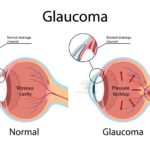
Glaucoma Illustration showing open-angle glaucoma eye anatomy in cartoon style

Glaucoma is a chronic, progressive optic neuropathy characterized by retinal ganglion cell loss and characteristic optic nerve/visual field damage in which lowering intraocular pressure (IOP) slows progression across open‑angle, angle‑closure, and secondary forms. The only proven disease‑modifying therapy is sustained IOP reduction via medications, laser trabeculoplasty, or surgery tailored to mechanism, severity, and risk, with … Read more

Drugs used for the treatment of Glaucoma

glaucoma

This summary covers the major classes, mechanisms, indications, and clinical guidance for drug management of glaucoma, as established in standard pharmacology texts and clinical guidelines.Drugs used for the treatment of Glaucoma are classified based on their mechanism of reducing intraocular pressure (IOP), the only proven strategy to delay glaucoma progression. The main classes and drug examples … Read more

Organophosphorus Compound Poisoning and Its Treatment

Organophosphorous compound poisoning

Introduction Organophosphorus (OP) compounds, a broad class of chemicals primarily used as pesticides (insecticides) and, less ethically, as chemical warfare agents (nerve gases), pose a significant challenge in both developed and developing nations (Katzung, 2020). Poisoning from OP agents remains a leading cause of acute morbidity and mortality worldwide, particularly in rural settings where pesticides are extensively deployed in … Read more