Antiarrhythmic drugs: Propafenone (Class 1C)

propafenone

Propafenone is a Class 1C antiarrhythmic that produces potent, use‑dependent blockade of fast cardiac Na+ channels with slow unbinding kinetics, resulting in marked conduction slowing and QRS widening, and it also exhibits weak β‑blocking properties that influence rate and bronchial tone in some patients. The following chapter summarizes pharmacology, clinical use, cautions, and monitoring of … Read more

Antiarrhythmic drugs: Flecainide (Class 1C)

Flecainide

Flecainide is a Class 1C antiarrhythmic agent widely used for rhythm control in atrial and ventricular arrhythmias, particularly in patients without significant structural heart disease. The following summarizes its pharmacology, clinical uses, cautions, and monitoring, referencing key pharmacology textbooks and clinical reviews in Vancouver style. Overview Flecainide is a potent blocker of cardiac sodium (Na+) channels, … Read more

Antiarrhythmic drugs: Mexiletine (Class 1B)

Mexiletine

Mexiletine is an oral Class IB antiarrhythmic and sodium channel blocker structurally related to lidocaine, used primarily for ventricular arrhythmias and selected channelopathies such as LQT3 where late sodium current inhibition is desired.Its key antiarrhythmic actions are fast-on/fast-off block of fast Na+ channels with preference for inactivated channels in ischemic tissue, leading to rate‑dependent suppression … Read more

Antiarrhythmic drugs: Lidocaine (Class 1B)

lidocaine

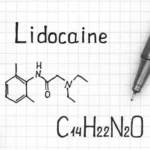
If you trained in a time when every crash cart seemed to include “lido,” you remember lidocaine as the go-to antidote for ugly ventricular ectopy. Today, it has a more selective role—but when it is the right drug, it can be lifesaving. Lidocaine (also known as lignocaine) is a prototypical Class 1B antiarrhythmic with rapid … Read more

Antiarrhythmic drugs: Disopyramide (Class 1A)

Disopyramide

Introduction Disopyramide is a Class 1a antiarrhythmic agent, primarily used in the treatment of ventricular tachycardia. It functions as a sodium channel blocker, inhibiting conduction by depressing the increase in sodium permeability of cardiac myocytes during the initial phase of the cardiac action potential. This reduces the inward sodium current, leading to an increased threshold … Read more

Antiarrhythmic drugs: Quinidine (Class 1A)

Quinidine

Overview and Learning Objectives By the end of this chapter, you should be able to: Quinidine is a prototypical Class IA antiarrhythmic historically used in atrial and ventricular arrhythmias. Although its use has declined due to proarrhythmic risk and the emergence of better-tolerated alternatives, it remains an instructive archetype for understanding sodium channel–blocking drugs that … Read more

Antiarrhythmic drugs: Procainamide (Class 1A)

Procainamide

Procainamide is a Class IA antiarrhythmic that blocks fast INaINa channels and prolongs repolarization via its active metabolite N-acetylprocainamide (NAPA), making it useful for acute management of a variety of ventricular and supraventricular tachyarrhythmias when carefully dosed and monitored.​ Classification and overview Procainamide belongs to the Vaughan Williams Class IA group (with quinidine and disopyramide), characterized by … Read more

Classification of Adrenergic Receptors: A Quick Overview

adrenergic receptors

Introduction Adrenergic receptors play a pivotal role in regulating physiological processes and are the target of numerous pharmacological interventions. These receptors are broadly classified into α and β types, with further subtypes within each group. This article aims to provide a comprehensive understanding of the classification of adrenergic receptors, their functional roles, and their implications … Read more

Adverse Drug Reactions: On-target and Off-target aspect

ADRs

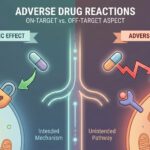
Introduction Adverse drug reactions (ADRs) remain a formidable challenge in clinical pharmacology and patient care. They can significantly diminish quality of life, induce severe morbidity and mortality, extend hospital stays, and inflate healthcare costs. While clinicians often conceive of ADRs as allergies or toxic effects, the mechanistic distinctions are far more nuanced. One central classification, … Read more

The History of Pharmacology

History of Pharmacology Flowchart

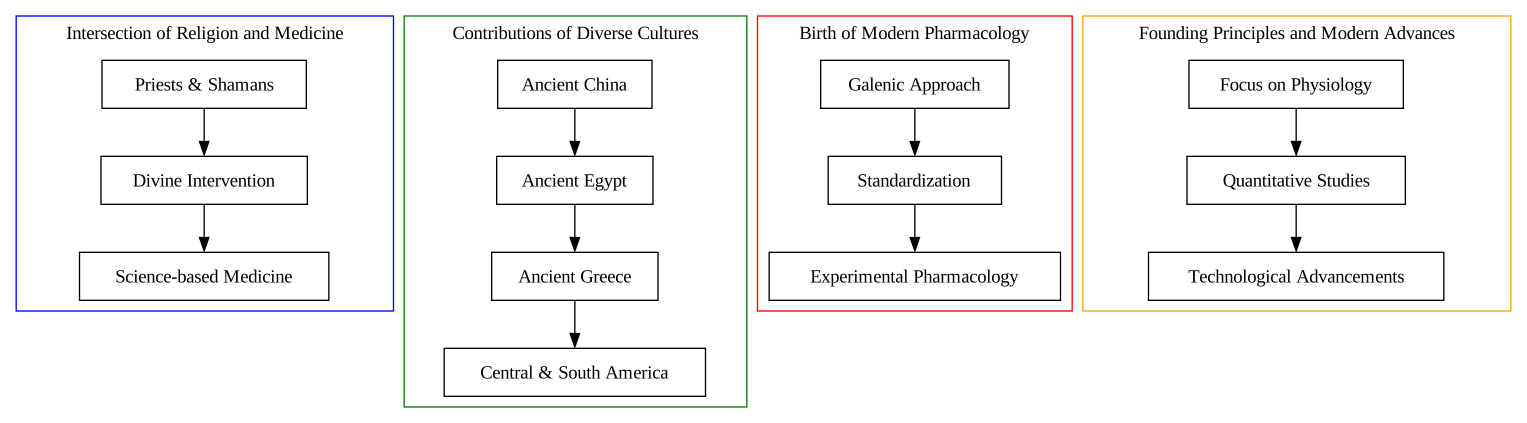
The Intersection of Religion and Medicine At the dawn of human civilization, religion and medicine were inextricably linked. Priests, shamans, and holy people were the original pharmacologists, wielding the power of both spiritual and medicinal healing. They were the mediators between the earthly and the divine, and their influence within communities was largely based on … Read more