
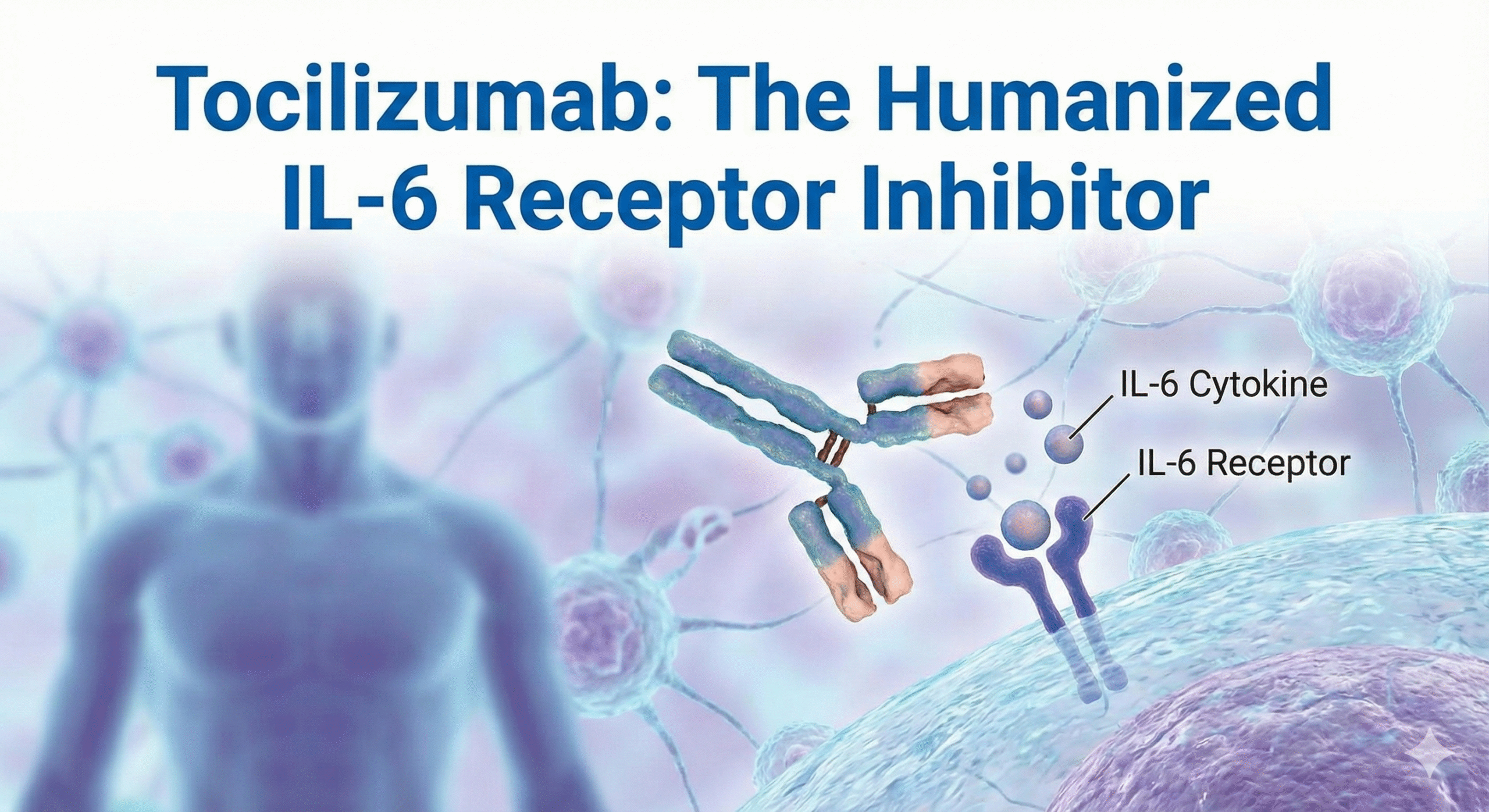
Tocilizumab, a humanized monoclonal antibody designed to target the IL-6 receptor, is revolutionizing the treatment of several inflammatory conditions. This comprehensive guide provides insights into how tocilizumab works, its uses, administration methods, and the safety profile based on the mechanism illustrated in the accompanying image.
What is Tocilizumab?
Tocilizumab is an innovative therapy that has shown significant promise in the management of autoimmune diseases. As a humanized monoclonal antibody, it selectively binds to the interleukin-6 receptor (IL-6R), impeding the pro-inflammatory cytokine IL-6 from exerting its effects.
Mechanism of Action

The above depicts the dual action of tocilizumab in inhibiting the binding of IL-6 to both soluble and membrane-bound IL-6 receptors. By blocking this interaction, tocilizumab prevents the activation of intracellular signaling pathways that are typically triggered by IL-6, particularly in cells expressing the protein GP130. This interruption is pivotal in reducing the inflammatory response associated with certain autoimmune conditions.
Inhibition of Soluble IL-6R Binding
Tocilizumab is shown to impede the interaction between IL-6 and the soluble form of its receptor (sIL-6R), which can circulate and prolong the inflammatory signal. This blockade is a critical step in diminishing inflammation in conditions such as rheumatoid arthritis.
Inhibition of Membrane-bound IL-6R Binding
Similarly, tocilizumab’s binding to the membrane-bound IL-6R prevents IL-6 from activating cells directly, offering another layer of control over the inflammatory process.
Therapeutic Uses
Primarily, tocilizumab is used in:
- Rheumatoid arthritis (RA)
- Systemic juvenile idiopathic arthritis (SJIA)
- Giant cell arteritis (GCA)
For patients who have not adequately responded to other RA therapies, tocilizumab offers a significant benefit, improving symptoms and slowing disease progression.
Administration of Tocilizumab
Tocilizumab is administered in two forms:
- Intravenous (IV) infusion
- Subcutaneous (SC) injection
The choice of administration depends on the individual’s medical condition, convenience, and doctor’s recommendation.
Side Effects and Monitoring
While tocilizumab is generally well-tolerated, it is associated with certain side effects such as:
- Upper respiratory tract infections
- Headaches
- Hypertension
- Elevated liver enzymes
Regular monitoring is essential to manage these risks effectively.
Tocilizumab in COVID-19 Treatment
Amid the COVID-19 pandemic, tocilizumab gained attention for its potential in treating severe cases. Its anti-inflammatory properties helped manage the cytokine release syndrome associated with COVID-19.
Conclusion
Tocilizumab stands out as a targeted biologic therapy for inflammatory diseases, offering hope for improved quality of life in patients with chronic conditions. Its unique ability to block IL-6 signaling, as graphically represented, underscores its role in modern therapeutics. Always consult a healthcare provider for personalized medical advice and treatment plans involving tocilizumab.
Medical Disclaimer
The medical information on this post is for general educational purposes only and is provided by Pharmacology Mentor. While we strive to keep content current and accurate, Pharmacology Mentor makes no representations or warranties, express or implied, regarding the completeness, accuracy, reliability, suitability, or availability of the post, the website, or any information, products, services, or related graphics for any purpose. This content is not a substitute for professional medical advice, diagnosis, or treatment; always seek the advice of your physician or other qualified health provider with any questions you may have regarding a medical condition and never disregard or delay seeking professional advice because of something you have read here. Reliance on any information provided is solely at your own risk.