Pharmacology of Diphenhydramine

Diphenhydramine

Introduction Diphenhydramine is a prototypical first-generation antihistamine with a long history of clinical use for allergic reactions, insomnia, motion sickness, and a variety of off-label applications. Its popularity in both prescription and over-the-counter preparations is a testament to its versatility, but its significant sedative and anticholinergic properties necessitate a deep understanding for safe and effective use. … Read more
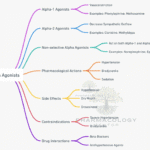
Pharmacology of Alpha Agonists

alpha blockers

Introduction to Alpha Agonists: Alpha agonists are a class of drugs that primarily act on alpha-adrenergic receptors. These receptors are part of the sympathetic nervous system and respond to the neurotransmitters epinephrine (adrenaline) and norepinephrine (noradrenaline). When activated, alpha receptors typically cause constriction of blood vessels and an increase in blood pressure. Alpha agonists can … Read more

Adverse Drug Reactions – ABCDE classification

Adverse Drug Reactions

1 ยท Introduction Drugs are double-edged swords: while they alleviate symptoms, modify disease course and often save lives, they also generate harm. This harm can arise from adverse drug reactions (ADRs), defined by the World Health Organization (WHO) as โ€œa response to a medicine which is noxious, unintended and occurs at doses normally used in … Read more

Pharmacology of Opioid Analgesics

Opioid analgesics

Introduction Opioid analgesics comprise a diverse class of drugs used primarily for pain management. Derived from natural sources such as the opium poppy or synthesized in laboratories, these agents have been used for centuries for their potent analgesic and sedative properties. Opioids remain the most effective agents for controlling intense and certain chronic pain syndromes, … Read more