
Antiarrhythmic drugs: Quinidine (Class 1A)

Quinidine

Overview and Learning Objectives By the end of this chapter, you should be able to: Quinidine is a prototypical Class IA antiarrhythmic historically used in atrial and ventricular arrhythmias. Although its use has declined due to proarrhythmic risk and the emergence of better-tolerated alternatives, it remains an instructive archetype for understanding sodium channel–blocking drugs that … Read more
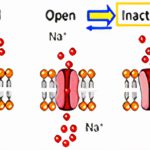
Sodium Channel Blockers (SCBs)

Sodium Channel Blockers

Introduction Sodium (Na⁺) channels are integral membrane proteins responsible for the rapid upstroke (phase 0) of the action potential in excitable cells such as neurons and cardiomyocytes. By selectively perming sodium ions across membranes, these channels facilitate depolarization, triggering electrical signals essential for neurotransmission, skeletal muscle contraction, and cardiac conduction. As a result, therapeutic modulation … Read more