Understanding Pharmacology: From Basic Principles to Nature of Drugs
pharmacology concepts

Introduction Pharmacology is a multidisciplinary field that explores the interactions between chemicals and biological systems. It encompasses various sub-disciplines, including medical pharmacology, toxicology, pharmacokinetics, and pharmacodynamics. This article aims to provide an overview of these areas and delve into the nature of drugs, their molecular characteristics, and how they interact with biological receptors. The Scope … Read more

The Evolution of Medicine: From Ancient Remedies to Modern Therapeutics

Evolution of Medicine

Introduction The quest to understand and treat illness has been a constant endeavor throughout human history. From ancient texts in India and China to the modern scientific approaches of today, the field of medicine has undergone significant transformations. This page aims to explore the journey of medicine, tracing its roots from ancient civilizations to the … Read more

The Evolution of Anesthesia: A Journey Through Medical Milestones

history of anesthesia

Anesthesia, the science and art of loss of sensation for medical procedures, has transformed surgery and pain management, enabling complex interventions and improving patient outcomes. Its history spans ancient natural remedies to molecularly precise modern techniques. Ancient and Pre-modern Beginnings The Birth of Modern Anesthesia (1840s–1800s) Year Milestone Description 1799 Nitrous oxide Discovered by Humphry … Read more

Complete Guide on Malaria and its Management

malaria

Malaria is a major infectious disease caused by Plasmodium parasites, transmitted to humans by female Anopheles mosquitoes. Despite global control efforts, malaria remains a significant cause of morbidity and mortality, especially in resource-limited settings. I. Epidemiology & Public Health Burden II. Plasmodium Species and Life Cycle Species Prevalence Features P. falciparum Most common, most severe Cerebral malaria, severe anemia P. vivax … Read more

Neuromuscular Blocking Agents

Neuromuscular Blocking Agents

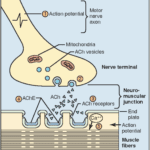
Neuromuscular blocking agents are a class of drugs that are used to induce muscle relaxation, typically during surgical procedures, mechanical ventilation, or endotracheal intubation. These agents work by interfering with the transmission of nerve impulses to the muscles, leading to paralysis. They do not have any sedative or analgesic effects, so they are usually administered … Read more

An Overview of Spasmolytics or Antispasmodics

spasmolytics

Spasmolytics, also known as antispasmodics, are a class of drugs used to suppress muscle spasms or to decrease the tone of smooth muscle in the gastrointestinal tract, the biliary tract, or the urinary tract. These drugs are commonly used to treat conditions like irritable bowel syndrome (IBS), spastic colon, and other disorders involving smooth muscle … Read more

Preclinical Trials: Things You Need to Know

Preclinical Trials

Introduction: The Gatekeepers of Drug Development Preclinical trials are the cornerstone of medical research and development. They serve as the critical “gatekeeper” stage in the long journey of bringing a new drug to market. While often simplified as “animal testing,” preclinical development is a highly regulated, scientifically rigorous process designed to bridge the gap between … Read more

Adenosine Diphosphate (ADP) Receptor Inhibitors

Adenosine Diphosphate ADP Receptor Inhibitors

Introduction Adenosine Diphosphate (ADP) Receptor Inhibitors are a class of antiplatelet agents used primarily in the treatment of acute coronary syndrome (ACS) or in the prevention of thromboembolism, myocardial infarction, or stroke. These drugs function by antagonizing the P2Y12 platelet receptors, thus preventing the binding of ADP to these receptors, leading to a decrease in … Read more

Pharmacology of Antiplatelet Drugs

antiplatelet drugs

Antiplatelet drugs inhibit platelet activation and aggregation, thereby reducing the risk of arterial thrombus formation—a critical strategy in preventing and managing cardiovascular diseases like myocardial infarction, stroke, and peripheral arterial disease. Classification & Mechanisms of Action Class & Examples Mechanism Key Indications COX-1 InhibitorsAspirin Irreversibly inhibits cyclooxygenase-1 (COX-1), blocking thromboxane A2 (TXA2) synthesis and platelet … Read more

Chelating Agents for Heavy Metal Poisoning: What You Need to Know

Chelating agents

Introduction Chelating agents are specialized chemical compounds that bind to metal ions, forming one or more stable complexes in the process. By effectively “grabbing” metals, these agents can help treat metal poisoning, mitigate metal overload, and manage various conditions where toxic or excess metals threaten physiological homeostasis (Goodman & Gilman, 2018). The word “chelate” derives from the Greek … Read more