Antiarrhythmic drugs: Flecainide (Class 1C)
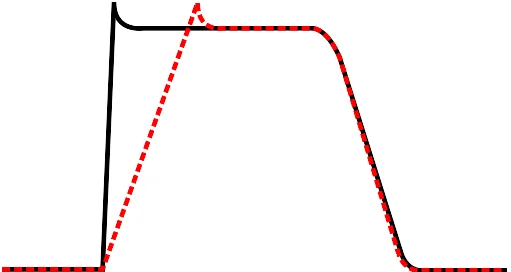
Flecainide

Flecainide is a Class 1C antiarrhythmic agent widely used for rhythm control in atrial and ventricular arrhythmias, particularly in patients without significant structural heart disease. The following summarizes its pharmacology, clinical uses, cautions, and monitoring, referencing key pharmacology textbooks and clinical reviews in Vancouver style. Overview Flecainide is a potent blocker of cardiac sodium (Na+) channels, … Read more
Antiarrhythmic drugs: Mexiletine (Class 1B)

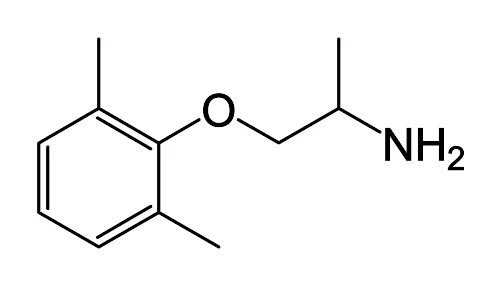
Mexiletine

Mexiletine is an oral Class IB antiarrhythmic and sodium channel blocker structurally related to lidocaine, used primarily for ventricular arrhythmias and selected channelopathies such as LQT3 where late sodium current inhibition is desired.Its key antiarrhythmic actions are fast-on/fast-off block of fast Na+ channels with preference for inactivated channels in ischemic tissue, leading to rateโ€‘dependent suppression … Read more

Antiarrhythmic drugs: Lidocaine (Class 1B)

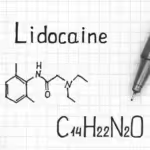
lidocaine

If you trained in a time when every crash cart seemed to include โ€œlido,โ€ you remember lidocaine as the go-to antidote for ugly ventricular ectopy. Today, it has a more selective roleโ€”but when it is the right drug, it can be lifesaving. Lidocaine (also known as lignocaine) is a prototypical Class 1B antiarrhythmic with rapid … Read more

Antiarrhythmic drugs: Disopyramide (Class 1A)

Disopyramide

Introduction Disopyramide is a Class 1a antiarrhythmic agent, primarily used in the treatment of ventricular tachycardia. It functions as a sodium channel blocker, inhibiting conduction by depressing the increase in sodium permeability of cardiac myocytes during the initial phase of the cardiac action potential. This reduces the inward sodium current, leading to an increased threshold … Read more

Antiarrhythmic drugs: Procainamide (Class 1A)

Procainamide

Procainamide is a Class IA antiarrhythmic that blocks fast INaINa channels and prolongs repolarization via its active metabolite N-acetylprocainamide (NAPA), making it useful for acute management of a variety of ventricular and supraventricular tachyarrhythmias when carefully dosed and monitored.โ€‹ Classification and overview Procainamide belongs to the Vaughan Williams Class IA group (with quinidine and disopyramide), characterized by … Read more

Classification of Adrenergic Receptors: A Quick Overview

adrenergic receptors

Introduction Adrenergic receptors play a pivotal role in regulating physiological processes and are the target of numerous pharmacological interventions. These receptors are broadly classified into ฮฑ and ฮฒ types, with further subtypes within each group. This article aims to provide a comprehensive understanding of the classification of adrenergic receptors, their functional roles, and their implications … Read more

Pharmacokinetic Principles: A Comprehensive Guide

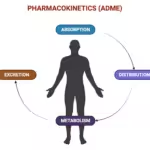
Pharmacokinetics

Introduction Pharmacokinetics is the science that describes how drugs move within the body and is crucial for rational dosing in clinical settings. This article aims to provide a comprehensive understanding of the key pharmacokinetic principles, including the movement of drugs in the body, permeation, Fick’s Law of Diffusion, and the solubility characteristics of drugs. The … Read more

Navigating the Complex Landscape of Drug Targets: From Validation to Druggability

druggability

Introduction The journey from drug discovery to market is a complex and intricate process, often fraught with challenges and uncertainties. One of the most critical aspects of this journey is identifying and validating the targets of drug action. This article delves into the intricacies of drug targets, exploring questions of druggability, target validation, and the … Read more

Pharmacodynamic Principles: A Dive into Receptors and Binding Sites

principles of pharmacodynamics

Introduction Pharmacodynamics is the study of how drugs interact with biological systems, specifically focusing on the effects of drugs on the body. One of the most critical aspects of pharmacodynamics is the role of receptors and binding sites in mediating drug actions. This article aims to shed light on these complex interactions, explaining how drugs … Read more

The Evolution of Drug Discovery: From Small Molecules to Protein Therapeutics

Drug discovery

Introduction The landscape of drug discovery has undergone significant changes over the years. Traditionally dominated by small organic molecules, the field has expanded to include large molecules like proteins, thanks to advancements in recombinant DNA technology. This article explores the journey from traditional small-molecule drugs to the increasingly important role of large molecules in modern … Read more