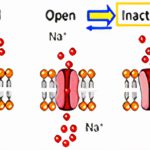
Sodium Channel Blockers (SCBs)

Sodium Channel Blockers

Introduction Sodium (Na⁺) channels are integral membrane proteins responsible for the rapid upstroke (phase 0) of the action potential in excitable cells such as neurons and cardiomyocytes. By selectively perming sodium ions across membranes, these channels facilitate depolarization, triggering electrical signals essential for neurotransmission, skeletal muscle contraction, and cardiac conduction. As a result, therapeutic modulation … Read more

Pharmacology of H2 Receptor Antagonists

H2 Receptor Antagonists

Histamine H2 receptor antagonists are competitive blockers of gastric parietal-cell H2 receptors that suppress basal and stimulated acid secretion and are used for GERD, peptic ulcer disease, hypersecretory states, and selected prophylaxis indications, with famotidine preferred clinically because of potency and safety while ranitidine has been withdrawn for NDMA contamination concerns. The class reduces nocturnal … Read more

Sympathomimetics/Adrenergic agonists

sympathomimetics

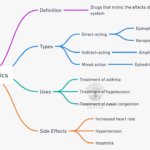
1 · Introduction Sympathomimetic agents—or adrenergic agonists—comprise a pharmacological super-family that mimics or amplifies the actions of endogenous catecholamines (noradrenaline, adrenaline and dopamine) at α1, α2, β1, β2, β3 and dopaminergic receptors. Their capacity to modulate cardiovascular tone, airway calibre, intra-ocular pressure, central arousal and metabolic flux renders them indispensable across emergency medicine, anaesthesia, respiratory … Read more