
Ischemic Heart Disease: Causes, signs and treatment options

Ischemic Heart disease

1. Definition & Epidemiology Ischemic heart disease (IHD)โ€”also called coronary artery disease (CAD)โ€”is defined by impaired blood supply (ischemia) to the myocardium, usually due to narrowing or obstruction of the coronary arteries by atherosclerotic plaque. IHD is the leading cause of morbidity and mortality worldwide, particularly affecting adults over age 40 and those with major cardiovascular … Read more

How Ischemic Heart Disease is treated?

Pharmacology Mentor

The treatment of ischemic heart disease aims to improve blood flow to the heart muscle.ย This can be achieved through a combination of lifestyle changes, medications, and in some cases, surgical procedures. Drug Class Examples Pharmacokinetics Mechanism of Action/Pharmacological Actions Therapeutic Uses Adverse Effects Contraindications Drug Interactions Antiplatelet Drugs Aspirin, Clopidogrel Rapidly absorbed in the stomach … Read more

Drugs Used for Dyslipidemias

Drugs for dyslipidemias

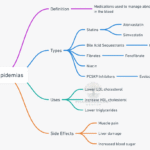
Introduction to Dyslipidemias Drugs used for dyslipidemias or Antihyperlipidemic drugs play a critical role in managing lipid disorders, which are significant risk factors for cardiovascular diseases such as coronary heart disease (CHD). Over 650,000 people die of CHD in the US alone every year, and a 1% reduction in serum cholesterol has been associated with … Read more

Androgens and Antiandrogens

androgens and antiandrogens

Androgens are steroid hormones that promote the development and maintenance of male sex characteristics. The principal naturally occurring androgens in humans are testosterone and dihydrotestosterone (DHT), both synthesized mainly in the testes and, to a lesser extent, the adrenal cortex. Androgens bind to intracellular androgen receptors (AR), acting as transcription factors to regulate gene expression … Read more