Cephalosporin antibiotics are beta-lactam antibiotics derived from Cephalosporium acremonium, classified by generations based on their antimicrobial spectra and pharmacokinetic properties. They are among the most utilized antibiotics globally, due to broad efficacy and good safety profile.
Advertisement
I. Mechanism of Action
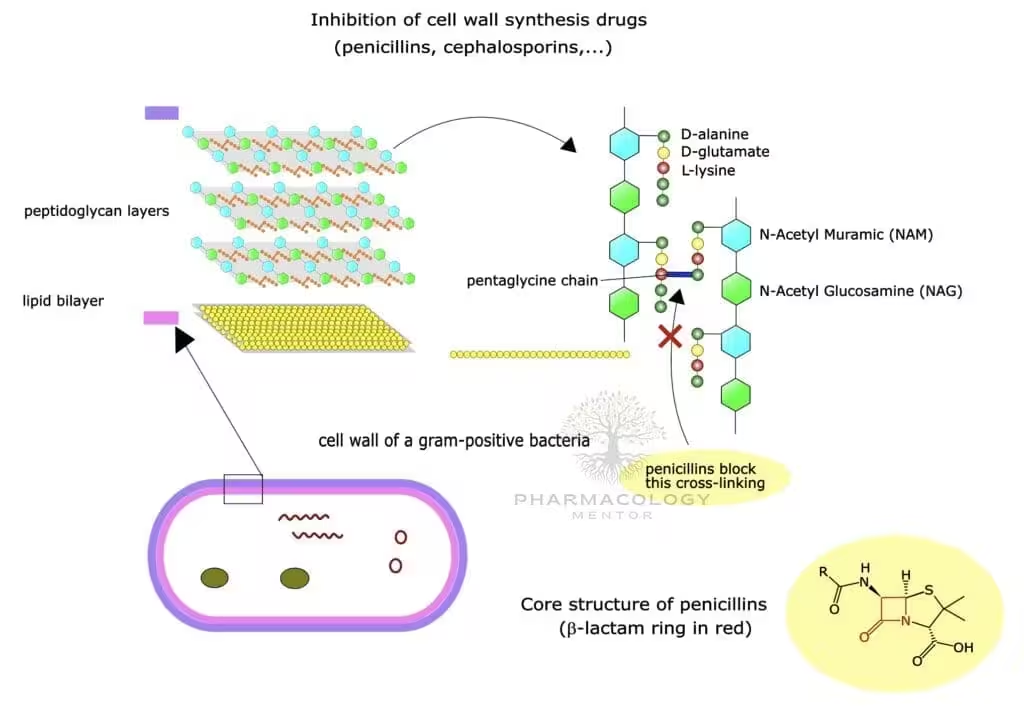
Cephalosporins bind to bacterial penicillin-binding proteins (PBPs) and inhibit the final transpeptidation step of peptidoglycan synthesis in the cell wall. This disrupts cell wall integrity, causes osmotic lysis, and is bactericidal.
Step
Target
Effect
Transpeptidation
PBPs
Inhibits cell wall crosslinking, resulting in lysis
Advertisement
II. Generations, Spectrum, and Key Examples
Generation
Example Agents
Gram + Coverage
Gram – Coverage
Key Uses
First
Cephalexin, cefazolin
Good (Staph, Strep)
Weak (E. coli, K. pneumoniae, Proteus)
Skin/soft tissue, UTI, surgical prophylaxis
Second
Cefuroxime, cefaclor, cefoxitin, cefotetan
Moderate (Staph, Strep)
Better (H. influenzae, some Enterobacter)
RTIs, otitis, abdominal/pelvic (cefoxitin/cefotetan for anaerobes)
Hydrolyze most cephalosporins; ESBL in Gram-negative bacteria
Carbapenems, new inhibitor combos
Altered PBPs
MRSA, penicillin-resistant S. pneumoniae
Ceftaroline, alternative classes
VII. Clinical Pearls
Monitor for allergies, dose-adjust for renal dysfunction except ceftriaxone.
Ceftriaxone: once daily, excellent CNS and tissue penetration, no renal adjustment needed, high utility in outpatient parenteral regimens.
Ceftazidime, cefepime: preferred for Pseudomonas infections.
Ceftaroline: Option for MRSA, severe skin infections.
Cefoxitin/cefotetan: Used for anaerobic intra-abdominal infections.
References
Goodman & Gilman’s The Pharmacological Basis of Therapeutics, 14th ed. New York: McGraw-Hill; 2022.
Bui T, Cecchini M. Cephalosporins. StatPearls [Internet]. Treasure Island (FL): StatPearls Publishing; 2024 Feb 16.
Kanis E et al. Structural Analysis and Protein Binding of Cephalosporins. ACS Pharmacol Transl Sci. 2022;5(12):1322-1334.
MSD Manual. Cephalosporins – Infectious Diseases. 2024 May 9.
How to cite this page - Vancouver Style
Mentor, Pharmacology. Pharmacology of Cephalosporin antibiotics. Pharmacology Mentor. Available from: https://pharmacologymentor.com/cephalosporins-an-overview/. Accessed on March 13, 2026 at 23:40.
Post Views:402
Medical Disclaimer
The medical information on this post is for general educational purposes only and is provided by Pharmacology Mentor. While we strive to keep content current and accurate, Pharmacology Mentor makes no representations or warranties, express or implied, regarding the completeness, accuracy, reliability, suitability, or availability of the post, the website, or any information, products, services, or related graphics for any purpose. This content is not a substitute for professional medical advice, diagnosis, or treatment; always seek the advice of your physician or other qualified health provider with any questions you may have regarding a medical condition and never disregard or delay seeking professional advice because of something you have read here. Reliance on any information provided is solely at your own risk.