Pharmacology of Beta-Blockers

beta-blockers

Introduction Beta blockers, also known as β-adrenergic receptor antagonists, are a foundational class of cardiovascular drugs used to treat hypertension, ischemic heart disease, heart failure, arrhythmias, and other conditions. By blocking the actions of catecholamines—particularly norepinephrine (noradrenaline) and epinephrine (adrenaline)—at β-adrenergic receptors, these agents reduce sympathetic overstimulation and exert a range of beneficial clinical effects. … Read more
Pharmacology of Alpha Agonists

alpha blockers

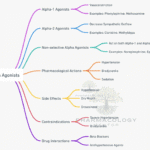
Introduction to Alpha Agonists: Alpha agonists are a class of drugs that primarily act on alpha-adrenergic receptors. These receptors are part of the sympathetic nervous system and respond to the neurotransmitters epinephrine (adrenaline) and norepinephrine (noradrenaline). When activated, alpha receptors typically cause constriction of blood vessels and an increase in blood pressure. Alpha agonists can … Read more

Beta Receptors: A Complete Overview for Medical Professionals

Beta receptors

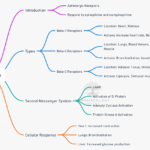
Introduction to Beta Receptors: Beta receptors are adrenergic receptors that respond to the neurotransmitters epinephrine (adrenaline) and norepinephrine (noradrenaline). They are part of the G-protein-coupled receptor family and play a crucial role in the sympathetic nervous system, responsible for the “fight or flight” response. There are three main types of beta receptors: beta-1 (β1), beta-2 … Read more

Sympathomimetics: Beta-Agonists

Beta-agonists

Introduction to Beta-Agonists: Beta-agonists are medications that stimulate beta receptors in the body. These receptors are found in various tissues, including the lungs, heart, and blood vessels. Due to their effects, beta-agonists are commonly used to treat conditions like asthma, chronic obstructive pulmonary disease (COPD), and certain heart conditions. Classification of Beta-Agonists: Mechanism of action: … Read more

Understanding Alteplase: The Tissue Plasminogen Activator You Need to Know

alteplase a tissue plasminogen activator

Introduction Alteplase (also referred to as recombinant tissue plasminogen activator or rt-PA) is a cornerstone of thrombolytic therapy, widely used to treat acute ischemic stroke, acute myocardial infarction, and other thromboembolic conditions. As a bioengineered form of tissue plasminogen activator (tPA), alteplase exerts its therapeutic effect by converting plasminogen to plasmin, thereby dissolving clots that obstruct blood flow … Read more

Sodium Channel Blockers (SCBs)

Sodium Channel Blockers

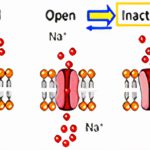
Introduction Sodium (Na⁺) channels are integral membrane proteins responsible for the rapid upstroke (phase 0) of the action potential in excitable cells such as neurons and cardiomyocytes. By selectively perming sodium ions across membranes, these channels facilitate depolarization, triggering electrical signals essential for neurotransmission, skeletal muscle contraction, and cardiac conduction. As a result, therapeutic modulation … Read more

What is Barbiturate toxicity, and how is it treated?

Barbiturate toxicity

Introduction to Barbiturate Toxicity: Barbiturates, once hailed for their sedative and anticonvulsant properties, have a narrow therapeutic window, making them susceptible to overdose. While their clinical use has diminished over the years in favor of safer alternatives, cases of barbiturate toxicity still emerge, often with life-threatening consequences. Whether due to accidental ingestion, drug interactions, or … Read more

Pharmacology of Barbiturates

Barbiturates

Introduction Barbiturates are among the earliest classes of sedative-hypnotic drugs discovered and used clinically. Derived from barbituric acid, these compounds exert a depressant influence on the central nervous system (CNS), leading to sedation, hypnosis, or anesthesia, depending on the dose. Historically, barbiturates revolutionized the treatment of insomnia, anxiety, and seizures, though concerns over tolerance, dependence, overdose, and risks associated with respiratory depression have led to their gradual replacement … Read more

Pharmacology of Selective serotonin reuptake inhibitors (SSRIs)

Selective serotonin reuptake inhibitors (SSRIs) for depression

Introduction Selective Serotonin Reuptake Inhibitors (SSRIs) revolutionized the treatment of depression and related affective disorders in the late 20th century. Since their introduction, SSRIs have become the first-line pharmacological treatment for mild, moderate, and even severe depressive episodes. Beyond depression, these drugs find a broad spectrum of applications, including anxiety disorders, obsessive-compulsive disorder (OCD), post-traumatic stress disorder (PTSD), eating disorders, and premenstrual dysphoric disorder … Read more

Pharmacology of Paracetamol/Acetaminophen

Paracetamol

Introduction Paracetamol—known as acetaminophen in some regions—is one of the most widely used analgesics and antipyretics. Celebrated for its efficacy and relatively favorable safety profile compared to nonsteroidal anti-inflammatory drugs (NSAIDs) and opioids, paracetamol has become a mainstay of pain management protocols worldwide (Goodman & Gilman, 2018). It is commonly prescribed or bought over-the-counter for mild to … Read more