Methanol Poisoning: Symptoms and Management

methanol poisoning

Methanol (methyl alcohol, wood alcohol) is a simple aliphatic alcohol with significant toxicological importance. It is colorless, volatile, and commonly used as a solvent, antifreeze, fuel, and in industrial chemical processes. Accidental or intentional ingestion of methanol, as well as inhalation or dermal exposure, can result in severe toxicity and death. The cardinal feature of … Read more

Drugs Used as Mood Stabilizers

mood stabilizers

Introduction Mood disorders—including bipolar disorder, schizoaffective disorder, and certain forms of unipolar depression—are chronic and debilitating mental health conditions. Characterized by pathologic mood swings, from manic or hypomanic states to severe depressive episodes, they entail significant morbidity, mortality (through suicide), and a profound impact on patient quality of life and functioning. Mood stabilizers constitute a cornerstone of … Read more

Alzheimer’s Disease and treatment

alzheimers disease

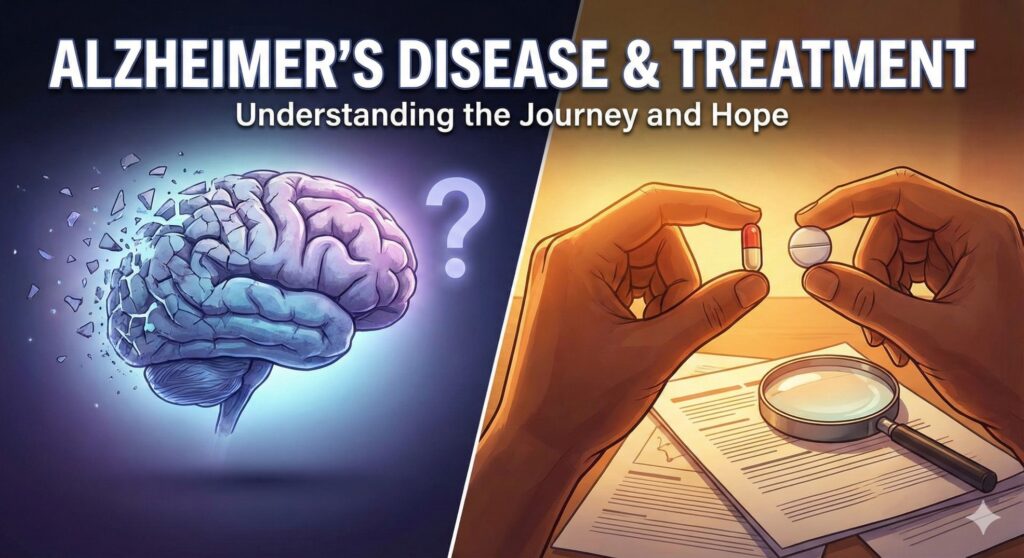
Alzheimer’s disease is a progressive neurodegenerative disorder marked by amyloid and tau protein pathology that leads to gradual decline in memory, function, and behavior; management combines accurate staging, symptomatic cognitive therapies, comprehensive non‑pharmacologic care, and, in eligible early cases, disease‑modifying anti‑amyloid monoclonal antibodies with structured MRI safety monitoring. Evidence‑based symptomatic options include acetylcholinesterase inhibitors and … Read more

Anti-manic drugs: Lithium and others

Anti-manic drugs

Introduction Mania is a hallmark feature of bipolar disorder and is characterized by heightened mood, increased energy, decreased need for sleep, racing thoughts, grandiosity, and, often, impulsive or reckless behaviors. During manic episodes, individuals experience profound alterations in mood and neurophysiological processes, sometimes leading to severe psychosocial impairments. Treating mania demands a nuanced blend of pharmacologic intervention, psychotherapeutic … Read more

Antidepressant Drugs: A brief note

Antidepressant Drugs or antidepressants

Brief Summary Drugs can increase monoaminergic transmission by inhibiting the metabolism or reuptake of neurotransmitters such as serotonin (5-HT) and noradrenaline (NA). MAO Inhibitors Reuptake Inhibitors I. Tricyclic antidepressants Tricyclic Antidepressants and Serotonin-Noradrenaline Reuptake Inhibitors Tricyclic Antidepressants (TCA) inhibit serotonin and noradrenaline reuptake, leading to increased transmitter concentration in the synaptic cleft. Bupropion also inhibits … Read more

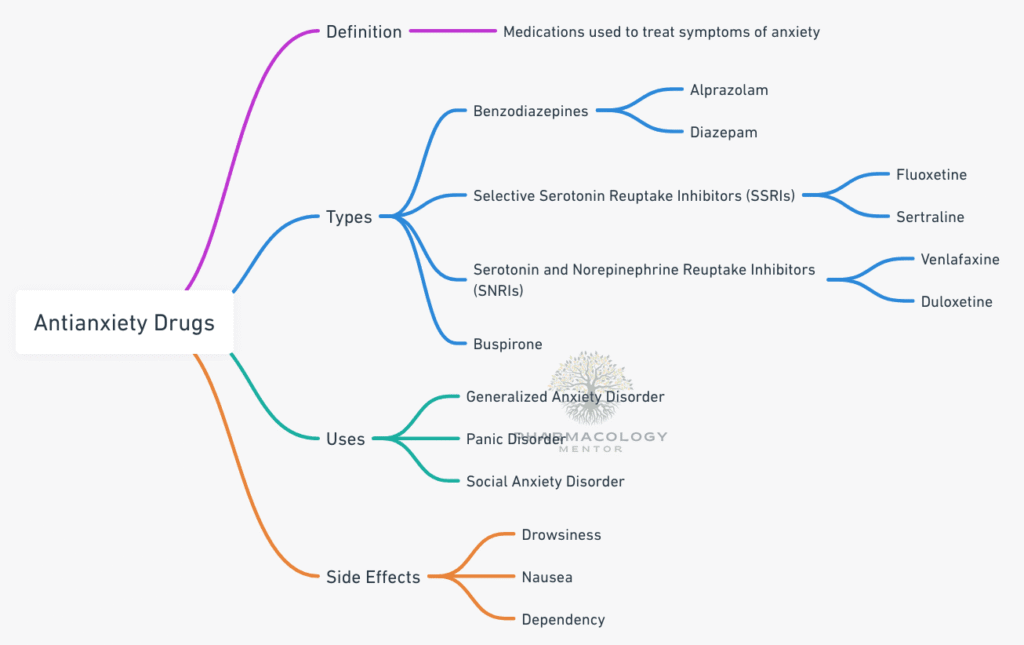
Pharmacology of Antianxiety Drugs

antianxiety drugs

Introduction Anxiety disorders are among the most prevalent mental health conditions globally, encompassing generalized anxiety disorder (GAD), panic disorder, social anxiety, phobias, and more. Characterized by excessive worry, fear, and sympathetic hyperarousal, these conditions can significantly impair quality of life and daily functioning. Antianxiety drugs, also known as anxiolytics, form an essential component of treatment, often … Read more

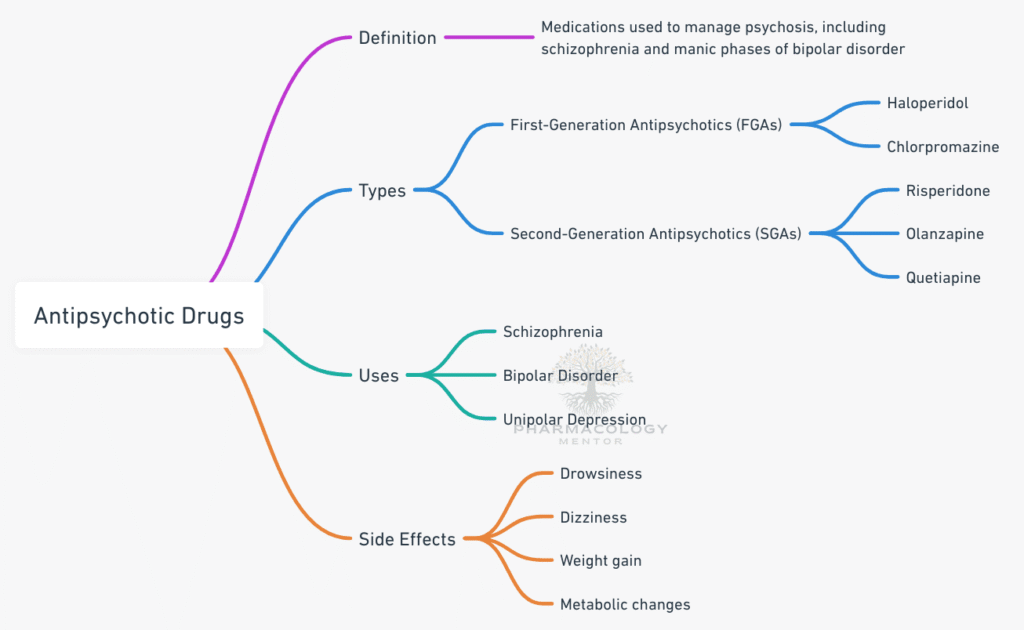
Pharmacology of Antipsychotic Drugs

antipsychotic drugs

Introduction The field of antipsychotic pharmacology continues to evolve as our understanding of the central nervous system advances. Antipsychotic drugs, also known as neuroleptics, are primarily used to manage psychotic disorders such as schizophrenia, bipolar disorder, severe depression with psychotic features, and acute psychosis resulting from various underlying etiologies. Their effectiveness in treating the positive symptoms of schizophrenia—such as delusions, hallucinations, and disorganized … Read more

Pharmacology of Alcohols

Pharmacology of alcohols

Introduction “Alcohol” in pharmacology typically refers to ethanol, the psychoactive ingredient of alcoholic beverages, but also includes toxic congeners—methanol, ethylene glycol, isopropanol. All share the –OH functional group yet differ in metabolism and clinical impact. This review contrasts their pharmacokinetics, pharmacodynamics, toxicology and therapeutic considerations. Ethanol Pharmacokinetics Step Enzyme / Cofactor Product Inhibitors / Variants … Read more

Non-Steroidal Anti-Inflammatory Drugs (NSAIDs)

NSAIDs

Non-steroidal anti-inflammatory drugs (NSAIDs) are cornerstone analgesic, antipyretic, and anti-inflammatory agents whose primary mechanism is inhibition of cyclooxygenase (COX) enzymes to reduce prostaglandin and thromboxane synthesis. A complete pharmacology chapter should cover COX biology, detailed classification, pharmacokinetics/dynamics, therapeutic uses, adverse effects, drug interactions, special populations, and evidence-based risk mitigation strategies from standard pharmacology texts and … Read more

Pharmacology of Opioid Analgesics

Opioid analgesics

Introduction Opioid analgesics comprise a diverse class of drugs used primarily for pain management. Derived from natural sources such as the opium poppy or synthesized in laboratories, these agents have been used for centuries for their potent analgesic and sedative properties. Opioids remain the most effective agents for controlling intense and certain chronic pain syndromes, … Read more