Pharmacology of Paracetamol/Acetaminophen

Paracetamol

Introduction Paracetamolโ€”known as acetaminophen in some regionsโ€”is one of the most widely used analgesics and antipyretics. Celebrated for its efficacy and relatively favorable safety profile compared to nonsteroidal anti-inflammatory drugs (NSAIDs) and opioids, paracetamol has become a mainstay of pain management protocols worldwide (Goodman & Gilman, 2018). It is commonly prescribed or bought over-the-counter for mild to … Read more

Aspirin: A Comprehensive Pharmacological Overview

Aspirin

Aspirin, scientifically known as acetylsalicylic acid (ASA), is a cornerstone in the world of nonsteroidal anti-inflammatory drugs (NSAIDs). With its multifaceted roles as an analgesic, antipyretic, and anti-inflammatory agent, aspirin has secured its position as one of the most frequently administered medications worldwide. Mechanism of Action At the heart of aspirin’s mechanism is its ability to irreversibly … Read more

Understanding Cyclooxygenase (COX) Enzymes

Cyclooxygenase

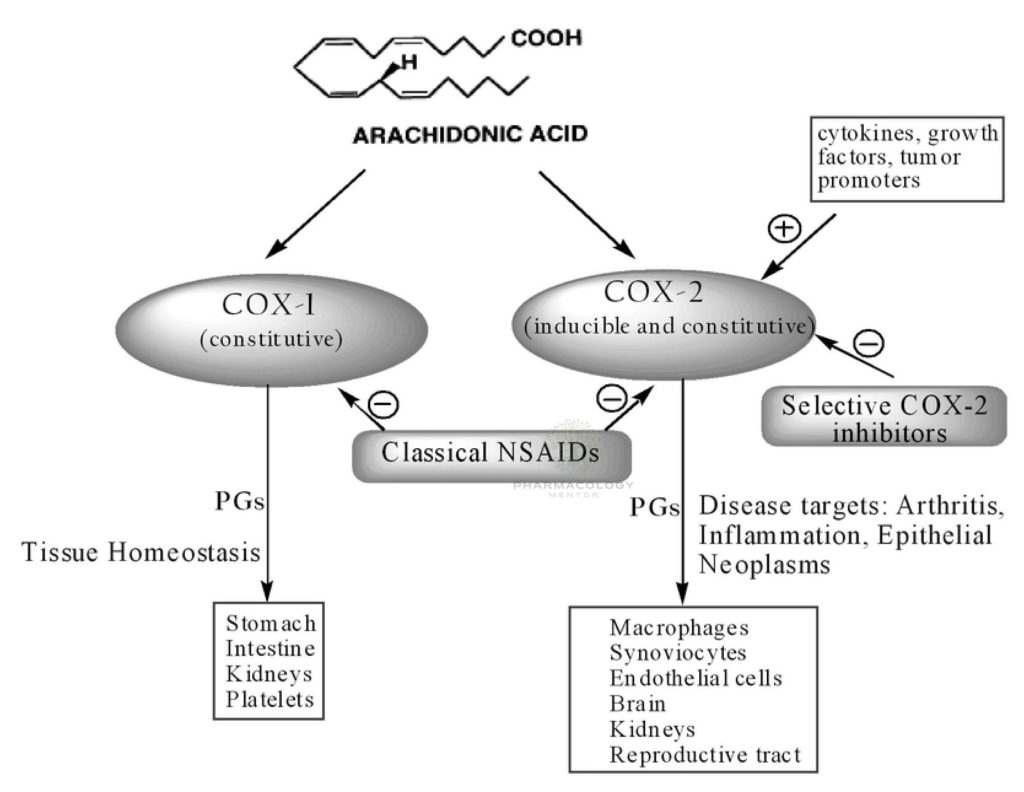
Cyclooxygenase (COX), which is also called prostaglandin-endoperoxide synthase (PTGS), is an enzyme that converts arachidonic acid into prostanoids like thromboxane and prostaglandins like prostacyclin. This enzyme is a member of the animal-type heme peroxidase family and is also referred to as prostaglandin G/H synthase. The specific reaction it catalyzes involves the conversion of arachidonic acid … Read more

Pharmacology of Benzodiazepines

Benzodiazepines

Introduction Benzodiazepines are a cornerstone of modern pharmacotherapy for anxiety, insomnia, seizure disorders, muscle spasms, and other related conditions. By enhancing the effects of the primary inhibitory neurotransmitter in the central nervous system (CNS), gamma-aminobutyric acid (GABA), these drugs can reduce excessive neuronal excitability and provide sedation, anxiolysis, anticonvulsant action, and muscle relaxation. Their relatively favorable therapeutic index, compared … Read more

Non-Steroidal Anti-Inflammatory Drugs (NSAIDs) – A Comprehensive Guide

Pharmacology Mentor

Understanding NSAIDs: What are they?  Non-Steroidal Anti-Inflammatory Drugs, commonly known as NSAIDs, are a class of drugs primarily used for their analgesic (pain-relieving), antipyretic (fever-reducing), and, as their name suggests, anti-inflammatory effects. They’re a staple in medicine cabinets worldwide and for a good reason. But to truly appreciate these drugs, we need to delve deeper … Read more

CNS infections and their treatment

CNS infections and their treatment

Central nervous system (CNS) infections include a spectrum of diseases such as meningitis, encephalitis, brain abscess, and healthcare-associated ventriculitis/meningitis. These conditions are associated with significant morbidity and mortality, requiring rapid diagnosis and prompt, targeted intervention. I. Types of CNS Infections Infection Type Most Common Causes Key Features/Notes Meningitis Bacterial: S. pneumoniae, N. meningitidis, H. influenzae, L. monocytogenes. Viral: enteroviruses, HSV, … Read more

Sedative-Hypnotics: their Pharmacology and where they are used?

Sedative-Hypnotics

Sedative-hypnotics are a class of drugs that work on the central nervous system (CNS) to produce a calming or drowsy effect and are often prescribed for insomnia, anxiety, and seizure disorders. They can be classified into three main categories: benzodiazepines, barbiturates, and Z-drugs (non-benzodiazepine hypnotics). Here’s a brief overview of these classes, along with some … Read more

Antiparkinsonian Drugs

Parkinson's Disease

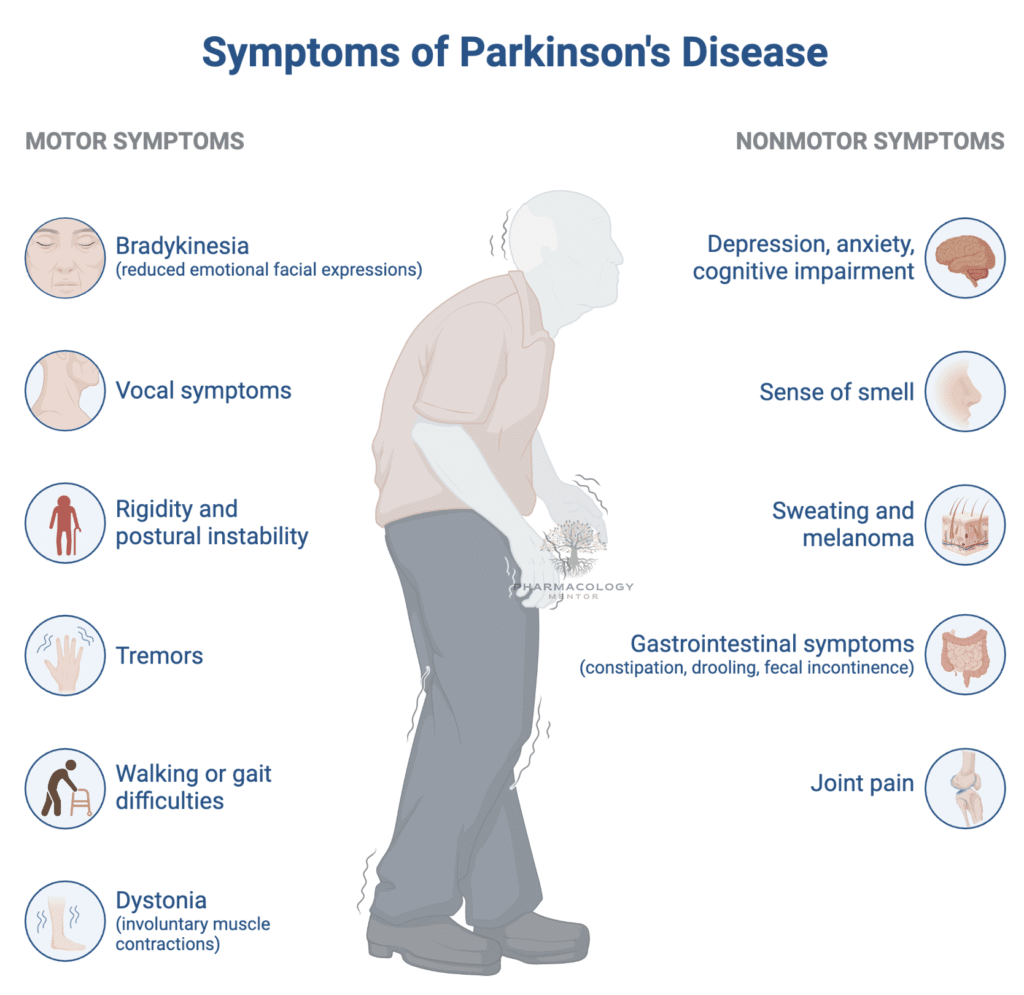
Overview Parkinson disease (PD) is a progressive neurodegenerative disorder characterized by motor features (bradykinesia, rigidity, rest tremor, postural instability) and a wide array of nonmotor symptoms (autonomic dysfunction, sleep disorders, mood and cognitive changes, pain). The cardinal pathology is degeneration of dopaminergic neurons in the substantia nigra pars compacta with consequent striatal dopamine depletion. Pharmacotherapy … Read more

Antiepileptic Drugs

Epilepsy - antiepileptic drugs

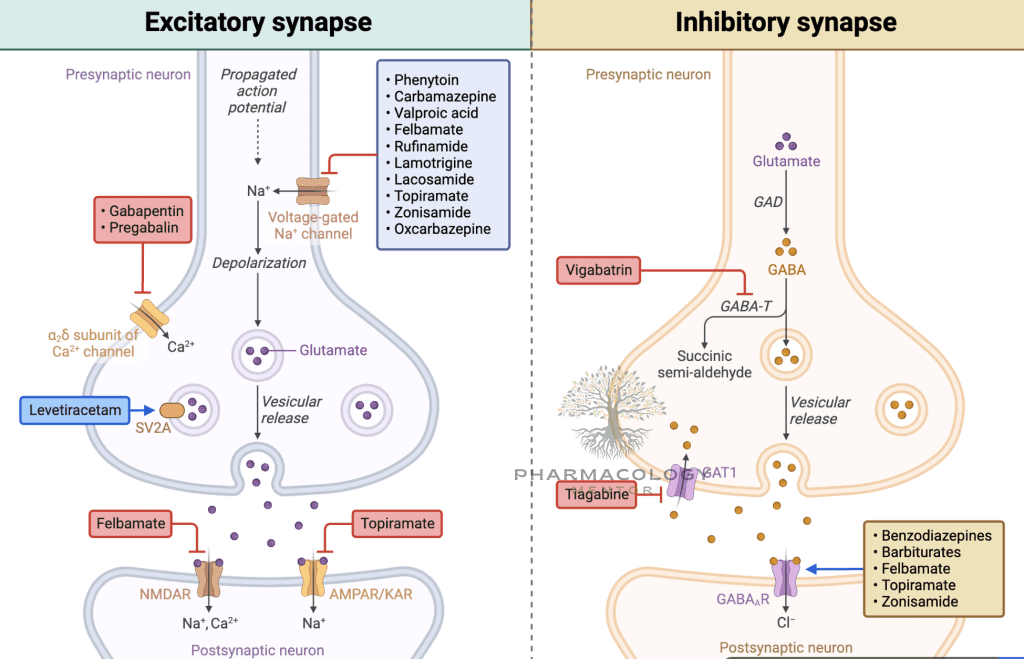
Introduction Epilepsy is a chronic neurological disorder defined by recurrent, unprovoked seizures resulting from abnormal excessive or synchronous neuronal activity in the brain. Antiepileptic drugs (AEDs), now more accurately known as anti-seizure medications (ASMs), are used both for symptomatic seizure control and, in some cases, for prevention of epileptogenesis following brain injury. Since the discovery of … Read more

Alcohol Withdrawal Symptoms and its Management

alcohol withdrawal

1. Overview & Clinical Importance Alcohol withdrawal syndrome (AWS) is a potentially life-threatening condition that follows the abrupt cessation or reduction of heavy, prolonged alcohol consumption. It is common in hospital and psychiatric settings, and timely recognition and management are critical for optimal outcomes. Chronic alcohol intake leads to neuroadaptations in GABAergic and glutamatergic neurotransmission; withdrawal … Read more