Structure-Activity Relationships (SAR)

structure-activity relationships

Introduction to SAR The field of medicinal chemistry is replete with examples of how subtle changes in the molecular structure of a compound can have profound effects on its biological activity. This concept, known as the structure-activity relationship (SAR), is a fundamental principle in drug discovery and development. In this article, we will delve into … Read more

Antimicrobial Stewardship: An Editorial Review

antimicrobial stewardship

1. Introduction and Scope Antimicrobial stewardship (AMS) is a coordinated set of interventions aimed at optimizing the use of antimicrobial agents—including antibiotics, antivirals, antifungals, and antiparasitics—to ensure optimal clinical outcomes, minimize toxicity, reduce the development of resistance, and limit unnecessary costs. AMS operates at the intersection of microbiology, infectious diseases, pharmacology, epidemiology, and public health.​ 2. … Read more

Unlock the Power of In Silico Techniques in Pharmacology

In silico techniques in pharmacology

In the realm of pharmacology, the last century has witnessed a significant evolution in scientific research. This evolution has been driven by meticulously designed studies and continuous technological advancements that have enabled the measurement and analysis of biological samples and subjects. As a result, our understanding of biological systems has expanded exponentially. The term ‘in … Read more

Structure-Activity Relationship (SAR)

structure activity relationships - SAR

Introduction Structure-Activity Relationship (SAR) are an important aspect of chemistry that has been applied in many fields, particularly in drug design. It is a scientific method used to understand the relationship between the chemical structure of a compound and its biological activity. SAR provides a comprehensive understanding of how the structure of a molecule affects … Read more

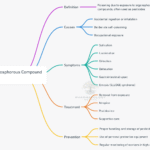
Organophosphorus Compound Poisoning and Its Treatment

Organophosphorous compound poisoning

Introduction Organophosphorus (OP) compounds, a broad class of chemicals primarily used as pesticides (insecticides) and, less ethically, as chemical warfare agents (nerve gases), pose a significant challenge in both developed and developing nations (Katzung, 2020). Poisoning from OP agents remains a leading cause of acute morbidity and mortality worldwide, particularly in rural settings where pesticides are extensively deployed in … Read more