Angina Pectoris: A Comprehensive Guide

angina featured image

Angina pectoris, commonly known as angina, is a type of chest pain caused by reduced blood flow to the heart. This article provides a detailed exploration of angina pectoris, including its classification, types, pathophysiology, and treatment for individual types. We’ll also incorporate flowcharts to help illustrate these concepts. What is Angina Pectoris? Angina pectoris is … Read more

Enzyme inducers: How they are important in the clinical pharmacology?

enzyme inducers

Introduction Enzyme inducers play a significant role in drug metabolism, affecting the efficacy and safety of various medications. In this comprehensive guide, we will delve into the intricacies of enzyme inducers, explore their mechanisms of action, and provide relevant examples. By the end of this article, you will have a solid understanding of enzyme inducers … Read more

Non-Steroidal Anti-Inflammatory Drugs (NSAIDs) – A Comprehensive Guide

Pharmacology Mentor

Understanding NSAIDs: What are they?  Non-Steroidal Anti-Inflammatory Drugs, commonly known as NSAIDs, are a class of drugs primarily used for their analgesic (pain-relieving), antipyretic (fever-reducing), and, as their name suggests, anti-inflammatory effects. They’re a staple in medicine cabinets worldwide and for a good reason. But to truly appreciate these drugs, we need to delve deeper … Read more

Medicinal Chemistry and its role in Structure-Activity Relationships

Medicinal chemistry - SAR

Introduction to Medicinal Chemistry Medicinal chemistry is a fascinating field that combines aspects of organic chemistry, pharmacology, and biochemistry. It’s all about designing and synthesizing potential new medications, not just creating these substances. It’s also about understanding how they work at a molecular level. Importance of Medicinal Chemistry The importance of medicinal chemistry cannot be … Read more

Drugs Used in Congestive Cardiac Failure – With new drug classes

Congestive Cardiac Failure

Introduction to Congestive Cardiac Failure Congestive cardiac failure, also known as congestive heart failure (CHF), is a complex clinical syndrome that impairs the pumping capacity of the heart. It can be caused by various heart conditions, leading to symptoms like shortness of breath, persistent coughing, swelling in the legs, ankles and feet, and rapid weight … Read more

Drugs Used for Dyslipidemias

Drugs for dyslipidemias

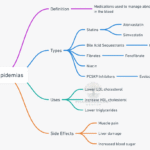
Introduction to Dyslipidemias Drugs used for dyslipidemias or Antihyperlipidemic drugs play a critical role in managing lipid disorders, which are significant risk factors for cardiovascular diseases such as coronary heart disease (CHD). Over 650,000 people die of CHD in the US alone every year, and a 1% reduction in serum cholesterol has been associated with … Read more

Antimalarial Drugs – A Comprehensive Guide

antimalarial drugs

Antimalarial drugs are a class of medications specifically designed to prevent and treat malaria, a life-threatening disease caused by Plasmodium parasites transmitted through the bite of infected Anopheles mosquitoes.

Drugs used for the treatment of Glaucoma

glaucoma

This summary covers the major classes, mechanisms, indications, and clinical guidance for drug management of glaucoma, as established in standard pharmacology texts and clinical guidelines.Drugs used for the treatment of Glaucoma are classified based on their mechanism of reducing intraocular pressure (IOP), the only proven strategy to delay glaucoma progression. The main classes and drug examples … Read more

Herbal and Natural Supplements

Herbal and Natural drugs

Herbal and natural supplements comprise a broad range of dietary products used alongside or instead of conventional medicines, but their evidence base, quality, and safety profiles vary widely, requiring structured evaluation for efficacy, interactions, adulteration, and organ toxicity before use. Unlike prescription drugs, most supplements are not reviewed for safety or effectiveness before marketing in … Read more

Pharmacology of Antihypertensive agents

Antihypertensive

Antihypertensive agents form a diverse class of drugs that reduce elevated blood pressure and thereby diminish the risk of major cardiovascular morbidity and mortality, such as stroke, myocardial infarction, heart failure, and chronic kidney disease. Their rational use requires understanding pathophysiology, mechanisms of action, pharmacokinetics and dynamics, clinical indications, adverse events, and individualized selection based … Read more