Antiarrhythmic drugs:ย Quinidine (Class 1A)

Quinidine

Overview and Learning Objectives By the end of this chapter, you should be able to: Quinidine is a prototypical Class IA antiarrhythmic historically used in atrial and ventricular arrhythmias. Although its use has declined due to proarrhythmic risk and the emergence of better-tolerated alternatives, it remains an instructive archetype for understanding sodium channelโ€“blocking drugs that … Read more

Antiarrhythmic drugs: Procainamide (Class 1A)

Procainamide

Procainamide is a Class IA antiarrhythmic that blocks fast INaINa channels and prolongs repolarization via its active metabolite N-acetylprocainamide (NAPA), making it useful for acute management of a variety of ventricular and supraventricular tachyarrhythmias when carefully dosed and monitored.โ€‹ Classification and overview Procainamide belongs to the Vaughan Williams Class IA group (with quinidine and disopyramide), characterized by … Read more

Classification of Adrenergic Receptors: A Quick Overview

adrenergic receptors

Introduction Adrenergic receptors play a pivotal role in regulating physiological processes and are the target of numerous pharmacological interventions. These receptors are broadly classified into ฮฑ and ฮฒ types, with further subtypes within each group. This article aims to provide a comprehensive understanding of the classification of adrenergic receptors, their functional roles, and their implications … Read more

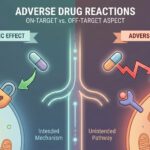
Adverse Drug Reactions: On-target and Off-target aspect

ADRs

Introduction Adverse drug reactions (ADRs) remain a formidable challenge in clinical pharmacology and patient care. They can significantly diminish quality of life, induce severe morbidity and mortality, extend hospital stays, and inflate healthcare costs. While clinicians often conceive of ADRs as allergies or toxic effects, the mechanistic distinctions are far more nuanced. One central classification, … Read more

The History of Pharmacology

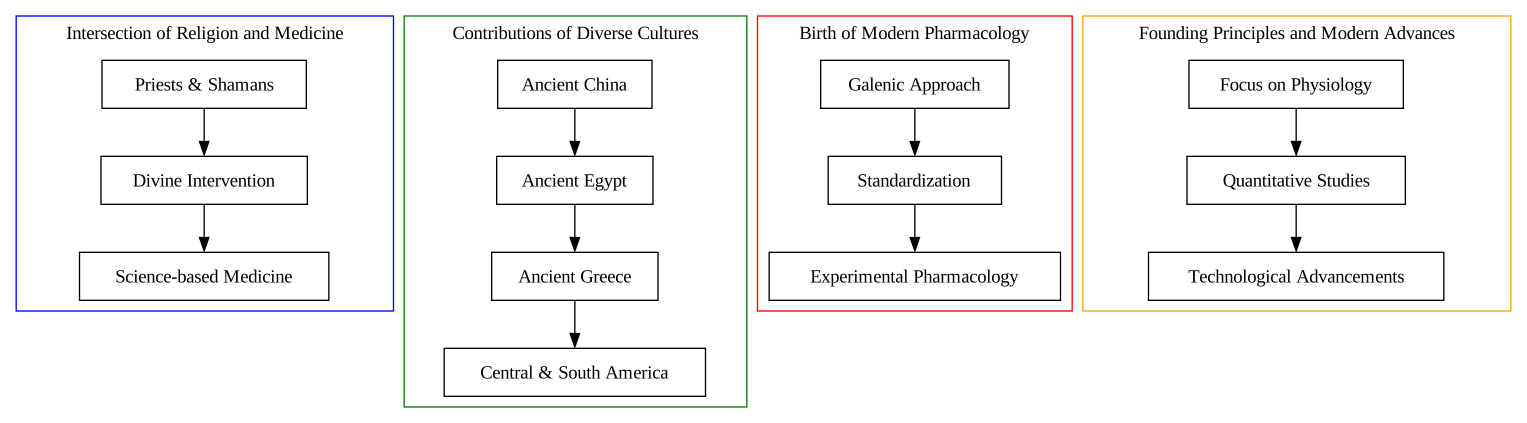
History of Pharmacology Flowchart

The Intersection of Religion and Medicine At the dawn of human civilization, religion and medicine were inextricably linked. Priests, shamans, and holy people were the original pharmacologists, wielding the power of both spiritual and medicinal healing. They were the mediators between the earthly and the divine, and their influence within communities was largely based on … Read more

Pharmacokinetic Principles: A Comprehensive Guide

Pharmacokinetics

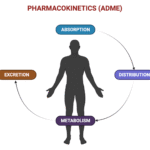
Introduction Pharmacokinetics is the science that describes how drugs move within the body and is crucial for rational dosing in clinical settings. This article aims to provide a comprehensive understanding of the key pharmacokinetic principles, including the movement of drugs in the body, permeation, Fick’s Law of Diffusion, and the solubility characteristics of drugs. The … Read more

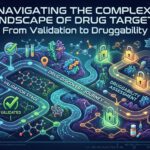
Navigating the Complex Landscape of Drug Targets: From Validation to Druggability

druggability

Introduction The journey from drug discovery to market is a complex and intricate process, often fraught with challenges and uncertainties. One of the most critical aspects of this journey is identifying and validating the targets of drug action. This article delves into the intricacies of drug targets, exploring questions of druggability, target validation, and the … Read more

Pharmacodynamic Principles: A Dive into Receptors and Binding Sites

principles of pharmacodynamics

Introduction Pharmacodynamics is the study of how drugs interact with biological systems, specifically focusing on the effects of drugs on the body. One of the most critical aspects of pharmacodynamics is the role of receptors and binding sites in mediating drug actions. This article aims to shed light on these complex interactions, explaining how drugs … Read more

The Evolution of Drug Discovery: From Small Molecules to Protein Therapeutics

Drug discovery

Introduction The landscape of drug discovery has undergone significant changes over the years. Traditionally dominated by small organic molecules, the field has expanded to include large molecules like proteins, thanks to advancements in recombinant DNA technology. This article explores the journey from traditional small-molecule drugs to the increasingly important role of large molecules in modern … Read more

Understanding Pharmacology: From Basic Principles to Nature of Drugs

pharmacology concepts

Introduction Pharmacology is a multidisciplinary field that explores the interactions between chemicals and biological systems. It encompasses various sub-disciplines, including medical pharmacology, toxicology, pharmacokinetics, and pharmacodynamics. This article aims to provide an overview of these areas and delve into the nature of drugs, their molecular characteristics, and how they interact with biological receptors. The Scope … Read more