Pharmacotherapy of Cough

cough

Introduction Cough—an involuntary, forceful expulsion of air from the lungs—is one of the most frequent symptoms leading to medical consultation. As a physiologic reflex, cough serves as the body’s first line of defense against respiratory tract infection, foreign bodies, mucus, and irritants. Despite its protective role, chronic or severe cough substantially impairs quality of life, … Read more

Anti-manic drugs: Lithium and others

Anti-manic drugs

Introduction Mania is a hallmark feature of bipolar disorder and is characterized by heightened mood, increased energy, decreased need for sleep, racing thoughts, grandiosity, and, often, impulsive or reckless behaviors. During manic episodes, individuals experience profound alterations in mood and neurophysiological processes, sometimes leading to severe psychosocial impairments. Treating mania demands a nuanced blend of pharmacologic intervention, psychotherapeutic … Read more

Antidepressant Drugs: A brief note

Antidepressant Drugs or antidepressants

Brief Summary Drugs can increase monoaminergic transmission by inhibiting the metabolism or reuptake of neurotransmitters such as serotonin (5-HT) and noradrenaline (NA). MAO Inhibitors Reuptake Inhibitors I. Tricyclic antidepressants Tricyclic Antidepressants and Serotonin-Noradrenaline Reuptake Inhibitors Tricyclic Antidepressants (TCA) inhibit serotonin and noradrenaline reuptake, leading to increased transmitter concentration in the synaptic cleft. Bupropion also inhibits … Read more

Pharmacology of Antianxiety Drugs

antianxiety drugs

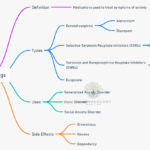
Introduction Anxiety disorders are among the most prevalent mental health conditions globally, encompassing generalized anxiety disorder (GAD), panic disorder, social anxiety, phobias, and more. Characterized by excessive worry, fear, and sympathetic hyperarousal, these conditions can significantly impair quality of life and daily functioning. Antianxiety drugs, also known as anxiolytics, form an essential component of treatment, often … Read more

Pharmacology of Antipsychotic Drugs

antipsychotic drugs

Introduction The field of antipsychotic pharmacology continues to evolve as our understanding of the central nervous system advances. Antipsychotic drugs, also known as neuroleptics, are primarily used to manage psychotic disorders such as schizophrenia, bipolar disorder, severe depression with psychotic features, and acute psychosis resulting from various underlying etiologies. Their effectiveness in treating the positive symptoms of schizophrenia—such as delusions, hallucinations, and disorganized … Read more

Routes of Drug Administration: A detailed overview

Routes of drug administration

Routes of drug administration are critical in determining a medication’s therapeutic effectiveness, safety profile, and patient adherence. Different routes allow clinicians to optimize how quickly and extensively an active compound reaches its intended site of action, while also accommodating specific disease conditions and patient factors. While numerous administration routes exist—ranging from oral ingestion to specialized … Read more

Routes of Drug Administration

routes of drug administration

Introduction The administration of drugs is an essential aspect of medical practice. It involves the process of delivering medication to a patient’s body through various routes. The appropriate route of administration for a given situation depends on several factors, including the drug’s physical and chemical properties and patient-related factors. This chapter discusses the different routes … Read more

Dosage Forms of the Drugs

dosage forms of the drugs

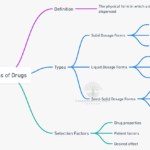
Introduction Drugs can be formulated into a wide variety of dosage forms to achieve the desired therapeutic effect. The choice of dosage form depends on factors such as the physicochemical properties of the drug, the intended route of administration, desired onset and duration of action, patient factors, and commercial considerations.[1] This article will provide an … Read more

An Overview of Essential Medicines

Essential medicines

Essential medicines are drugs selected to meet the priority health care needs of a population, chosen on the basis of public‑health relevance, comparative efficacy and safety, cost‑effectiveness, and assured quality, forming the backbone of rational therapeutics, teaching, and formulary systems. Standard pharmacology textbooks present essential medicines as a framework that links evidence‑based drug selection with … Read more

Various Sources of Drugs

Various sources of drugs

Introduction Drugs have transformed human health by treating infections, alleviating pain, controlling chronic conditions, and improving life expectancy. Historically, treatments emerged from rudimentary herbal or mineral remedies, refined through trial and error. Today, modern pharmacology leverages not only natural products but also advanced synthetic methods, biotechnology, and genetic engineering to create a broad arsenal of … Read more