Methanol Poisoning: Symptoms and Management

methanol poisoning

Methanol (methyl alcohol, wood alcohol) is a simple aliphatic alcohol with significant toxicological importance. It is colorless, volatile, and commonly used as a solvent, antifreeze, fuel, and in industrial chemical processes. Accidental or intentional ingestion of methanol, as well as inhalation or dermal exposure, can result in severe toxicity and death. The cardinal feature of … Read more

Sympatholytics/Adrenergic antagonists

adrenergic antagonists or sympatholytics

Introduction Have you ever wondered about the drugs that counteract the effects of the sympathetic nervous system? Sympatholytics, also known as adrenergic antagonists, are one such class of drugs. This article will dive into the classification, pharmacological actions, clinical uses, adverse effects, and contraindications of different types of sympatholytic drugs. So, let’s get started! Sympatholytics … Read more

Parasympatholytics/Cholinergic antagonists

Cholinergic antagonists - Parasympatholytics

Introduction Parasympatholytics, also known as anticholinergics, are a class of drugs that inhibit the actions of the neurotransmitter acetylcholine on parasympathetic nerve endings. These drugs can be classified based on their mode of action and target sites. This article will delve into the classification of parasympatholytics, individual drug pharmacological actions, clinical uses, adverse effects, atropine … Read more

Atropine/Belladonna/Datura Poisoning: Causes, Symptoms, and Treatment

atropine - belladonna poisoning

1 ยท Overview Atropine, hyoscyamine and scopolamine are tropane alkaloids concentrated in plants of the Solanaceae familyโ€”most notably Atropa belladonna (deadly nightshade) and Datura stramonium (jimson-weed). These compounds act as potent competitive antagonists at muscarinic acetylcholine receptors, producing the classic โ€œanticholinergic toxidrome.โ€ Untreated, severe poisoning may culminate in seizures, hyperthermia, rhabdomyolysis, dysrhythmia or respiratory failure … Read more

Parasympathomimetics/Cholinergic agonists

parasympathomimetics

Introduction Parasympathomimetics โ€” also referred to asย cholinergic agonistsย orย muscarinic agonistsโ€”are a class of medications that enhance or mimic the actions of the parasympathetic nervous system (PNS). The PNS is one subdivision of the autonomic nervous system, often described as the โ€œrest and digestโ€ branch. Through stimulation of acetylcholine (ACh) receptors, parasympathomimetics elicit various physiological responses such … Read more

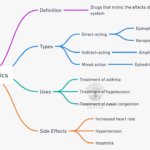
Sympathomimetics/Adrenergic agonists

sympathomimetics

1 ยท Introduction Sympathomimetic agentsโ€”or adrenergic agonistsโ€”comprise a pharmacological super-family that mimics or amplifies the actions of endogenous catecholamines (noradrenaline, adrenaline and dopamine) at ฮฑ1, ฮฑ2, ฮฒ1, ฮฒ2, ฮฒ3 and dopaminergic receptors. Their capacity to modulate cardiovascular tone, airway calibre, intra-ocular pressure, central arousal and metabolic flux renders them indispensable across emergency medicine, anaesthesia, respiratory … Read more

Clinical Pharmacokinetics: From Principles to Individualized Dosing

Clinical Pharmacokinetics

Clinical pharmacokinetics (PK) is the science of quantifying how drugs are absorbed, distributed, metabolized, and excreted in humans, and applying that knowledge to optimize therapy for individual patients. Its goals are to achieve target drug exposures that maximize efficacy and minimize toxicity, accounting for patient-specific factors such as organ function, age, genetics, comorbidities, and concomitant … Read more

Adverse Drug Reactions – ABCDE classification

Adverse Drug Reactions

1 ยท Introduction Drugs are double-edged swords: while they alleviate symptoms, modify disease course and often save lives, they also generate harm. This harm can arise from adverse drug reactions (ADRs), defined by the World Health Organization (WHO) as โ€œa response to a medicine which is noxious, unintended and occurs at doses normally used in … Read more

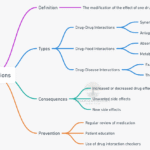
Drug Interactions

drug interactions

Introduction Drug interactions are a central topic in clinical pharmacology, profoundly impacting therapeutic efficacy, safety, and patient outcomes. While drug interactions are often discussed in terms of adverse effects or prescribing errors, they also provide opportunities for clinical synergy, rational polypharmacy, and new drug discovery when properly understood. Given the complexity and ubiquity of polypharmacy, … Read more

Pharmacodynamics: Understanding What Drug Does to the Body

Pharmacodynamics

Pharmacodynamics is a branch of pharmacology that focuses on the study of how drugs interact with the body at the molecular, cellular, and systemic levels to produce their effects. It involves understanding the mechanisms of drug action (MOA), including drug-receptor interactions, signal transduction pathways, and the pharmacological effects of drugs. “What drug does to the … Read more