
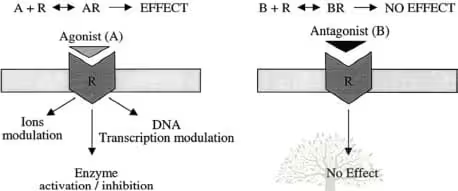
Drug-receptor interactions refer to the binding of drugs to specific receptors, leading to a biological response. These interactions can either be agonistic or antagonistic.
Agonists
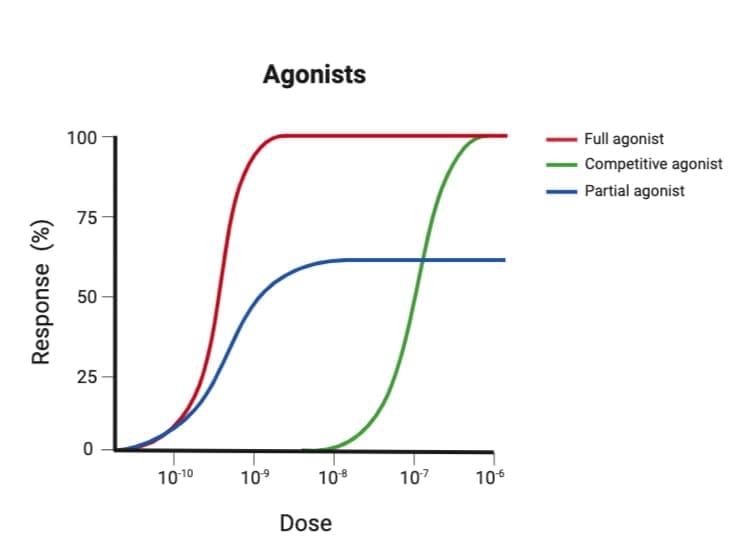
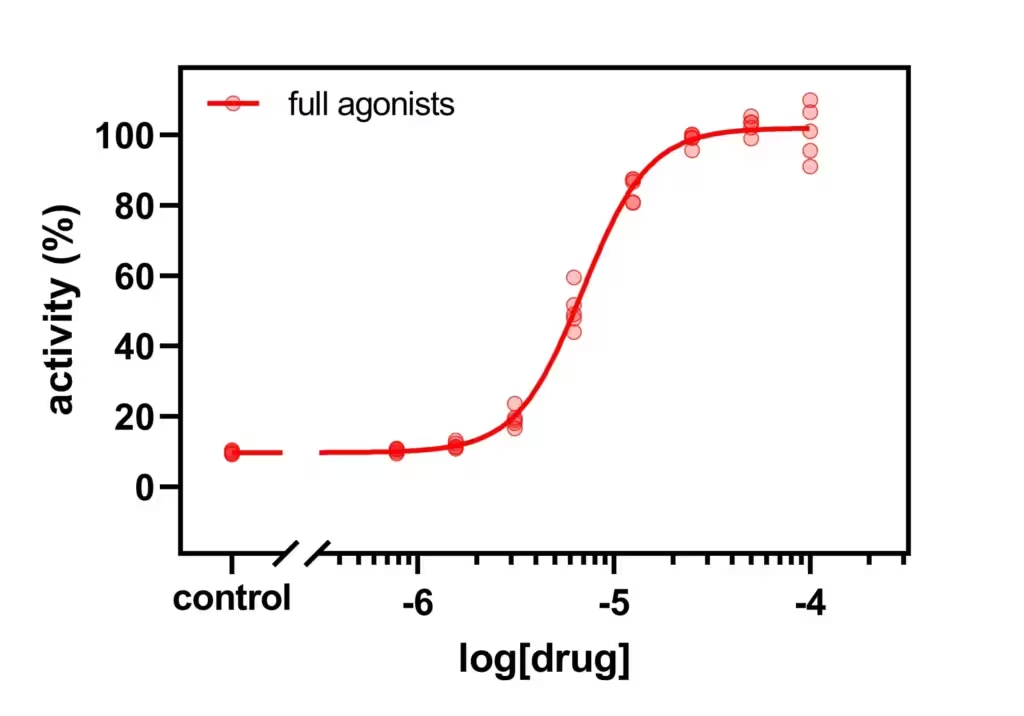
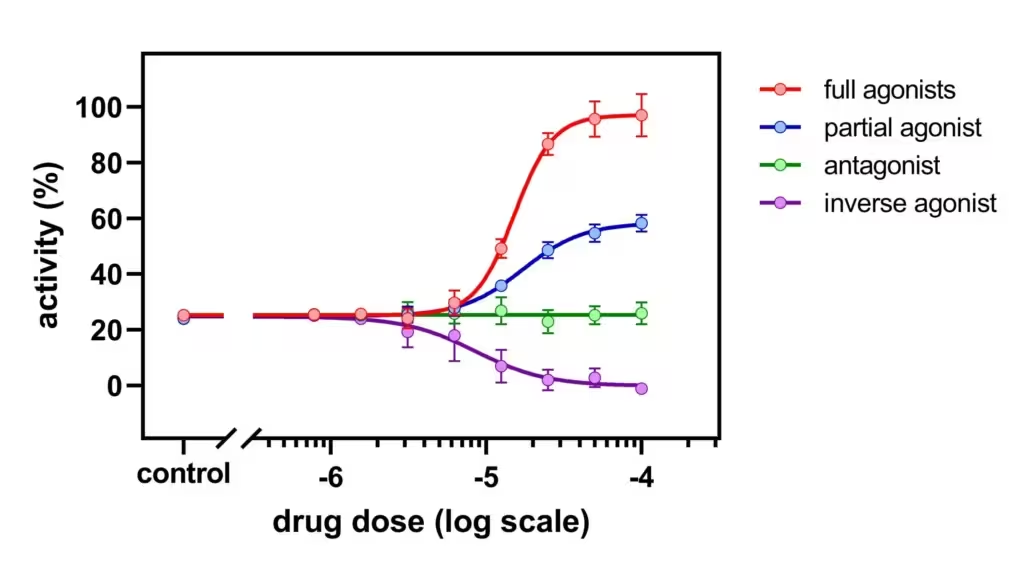
Agonists are drugs that bind to a receptor and activate it, leading to a biological response. There are three types of agonists:
Antagonists
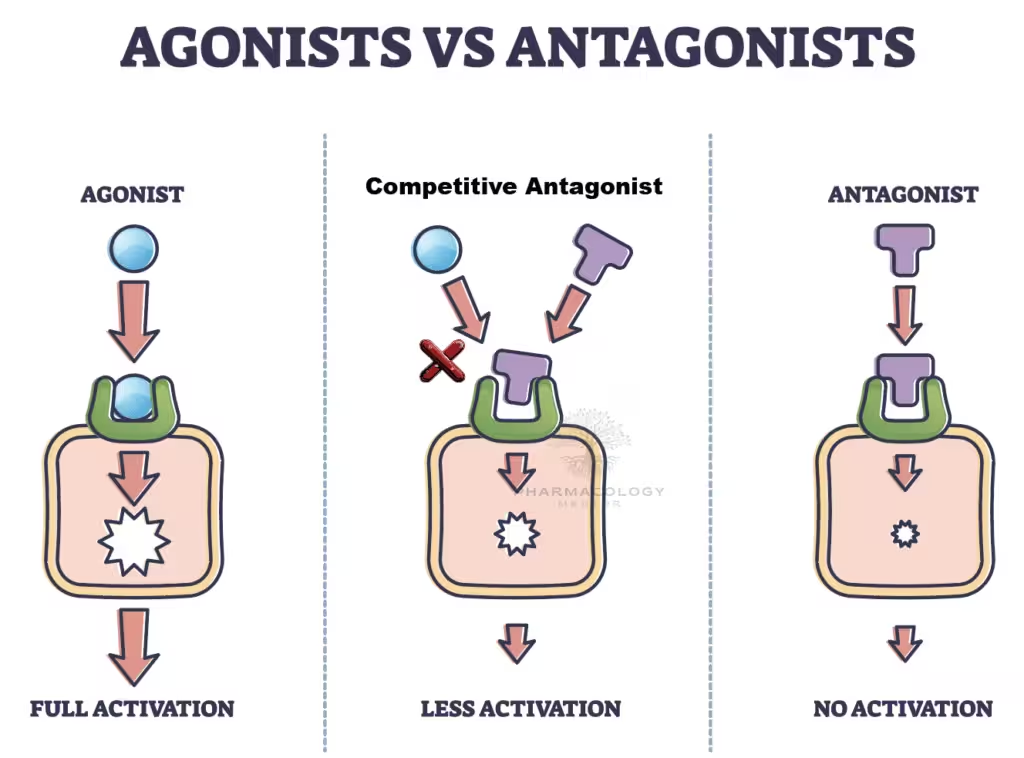
Antagonists are drugs that bind to a receptor but do not activate it. Instead, they block the binding of agonists to the receptor, decreasing the biological response. There are two types of antagonists:
1. Competitive Antagonists:
- Mechanism: The antagonist and the agonist compete for the same binding site on the receptor.
- Effect: The effect of the agonist can be overcome by increasing the concentration of the agonist (surmounted by higher doses of the agonist).
- Example: Naloxone is a competitive antagonist of opioid receptors used to reverse opioid overdose.
2. Non-competitive Antagonists:
- Mechanism: The antagonist binds to a different site on the receptor than the agonist, altering the receptor’s conformation and reducing the agonist’s effect.
- Effect: The effect of the agonist cannot be overcome by increasing the concentration of the agonist (it cannot be surmounted by higher doses of the agonist).
- Example: Ketamine is a non-competitive antagonist of the NMDA receptor.
3. Uncompetitive Antagonism
- Mechanism: The antagonist binds only to the receptor-agonist complex, preventing further activation of the receptor.
- Effect: The antagonist reduces the maximal response of the agonist.
- Example: Memantine in Alzheimer’s disease treatment.
4. Functional or Physiological Antagonism
- Mechanism: Two drugs produce opposite effects on physiological functions, but they act through different receptors or mechanisms.
- Effect: One drug counteracts the effects of the other.
- Example: The bronchoconstriction caused by histamine can be counteracted by epinephrine, which causes bronchodilation.
5. Chemical Antagonism
- Mechanism: The antagonist directly interacts with the agonist and neutralizes its effect without interacting with the receptor.
- Effect: The antagonist prevents the agonist from exerting its effect.
- Example: Chelating agents like Dimercaprol, which bind to heavy metals and reduce their toxicity.
Clinical Implications
Understanding drug antagonism is crucial for avoiding drug interactions that can lead to reduced efficacy or increased toxicity. It is especially important in polypharmacy, where patients are on multiple medications and the likelihood of drug interactions is high. Clinicians need to consider potential drug antagonism when prescribing medications and adjust doses or select alternative medications as needed.
Medical Disclaimer
The medical information on this post is for general educational purposes only and is provided by Pharmacology Mentor. While we strive to keep content current and accurate, Pharmacology Mentor makes no representations or warranties, express or implied, regarding the completeness, accuracy, reliability, suitability, or availability of the post, the website, or any information, products, services, or related graphics for any purpose. This content is not a substitute for professional medical advice, diagnosis, or treatment; always seek the advice of your physician or other qualified health provider with any questions you may have regarding a medical condition and never disregard or delay seeking professional advice because of something you have read here. Reliance on any information provided is solely at your own risk.