Glaucoma, pathophysiology, treatment and other information
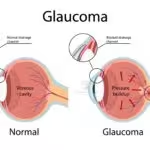
Glaucoma Illustration showing open-angle glaucoma eye anatomy in cartoon style

Glaucoma is a chronic, progressive optic neuropathy characterized by retinal ganglion cell loss and characteristic optic nerve/visual field damage in which lowering intraocular pressure (IOP) slows progression across open‑angle, angle‑closure, and secondary forms. The only proven disease‑modifying therapy is sustained IOP reduction via medications, laser trabeculoplasty, or surgery tailored to mechanism, severity, and risk, with … Read more

Antimalarial Drugs – A Comprehensive Guide

antimalarial drugs

Antimalarial drugs are a class of medications specifically designed to prevent and treat malaria, a life-threatening disease caused by Plasmodium parasites transmitted through the bite of infected Anopheles mosquitoes.

Atropine/Belladonna/Datura Poisoning: Causes, Symptoms, and Treatment

atropine - belladonna poisoning

1 · Overview Atropine, hyoscyamine and scopolamine are tropane alkaloids concentrated in plants of the Solanaceae family—most notably Atropa belladonna (deadly nightshade) and Datura stramonium (jimson-weed). These compounds act as potent competitive antagonists at muscarinic acetylcholine receptors, producing the classic “anticholinergic toxidrome.” Untreated, severe poisoning may culminate in seizures, hyperthermia, rhabdomyolysis, dysrhythmia or respiratory failure … Read more

Tuberculosis and Its Treatment

Tuberculosis

Introduction Tuberculosis (TB) remains a major global health threat, caused by Mycobacterium tuberculosis (M.tb), a slow-growing, aerobic, acid-fast bacillus with a unique, lipid-rich cell wall conferring virulence and intrinsic drug resistance. Diagnosis relies on acid-fast stains, culture, PCR, and clinical criteria. TB is primarily pulmonary but can affect any organ. Increased risk is seen in immunosuppressed individuals, … Read more

Pharmacotherapy of Cough

cough

Introduction Cough—an involuntary, forceful expulsion of air from the lungs—is one of the most frequent symptoms leading to medical consultation. As a physiologic reflex, cough serves as the body’s first line of defense against respiratory tract infection, foreign bodies, mucus, and irritants. Despite its protective role, chronic or severe cough substantially impairs quality of life, … Read more

An Overview of Essential Medicines

Essential medicines

Essential medicines are drugs selected to meet the priority health care needs of a population, chosen on the basis of public‑health relevance, comparative efficacy and safety, cost‑effectiveness, and assured quality, forming the backbone of rational therapeutics, teaching, and formulary systems. Standard pharmacology textbooks present essential medicines as a framework that links evidence‑based drug selection with … Read more

Sildenafil: Its Use as a PDE5 Inhibitor for Erectile Dysfunction

sildenafil

Phosphodiesterase type 5 (PDE5) inhibitors are first‑line oral agents for erectile dysfunction that augment the endogenous nitric oxide–cGMP pathway in the corpus cavernosum to facilitate erection with sexual stimulation, and the class includes sildenafil, vardenafil, tadalafil, and avanafil. Standard pharmacology texts detail shared mechanisms with clinically important differences in onset, duration, food effects, selectivity, and … Read more