
Understanding Cyclooxygenase (COX) Enzymes
Cyclooxygenase

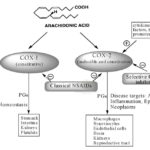
Cyclooxygenase (COX), which is also called prostaglandin-endoperoxide synthase (PTGS), is an enzyme that converts arachidonic acid into prostanoids like thromboxane and prostaglandins like prostacyclin. This enzyme is a member of the animal-type heme peroxidase family and is also referred to as prostaglandin G/H synthase. The specific reaction it catalyzes involves the conversion of arachidonic acid … Read more


Non-Steroidal Anti-Inflammatory Drugs (NSAIDs) – A Comprehensive Guide

Pharmacology Mentor

Understanding NSAIDs: What are they?  Non-Steroidal Anti-Inflammatory Drugs, commonly known as NSAIDs, are a class of drugs primarily used for their analgesic (pain-relieving), antipyretic (fever-reducing), and, as their name suggests, anti-inflammatory effects. They’re a staple in medicine cabinets worldwide and for a good reason. But to truly appreciate these drugs, we need to delve deeper … Read more

Non-Steroidal Anti-Inflammatory Drugs (NSAIDs)

NSAIDs

Non-steroidal anti-inflammatory drugs (NSAIDs) are cornerstone analgesic, antipyretic, and anti-inflammatory agents whose primary mechanism is inhibition of cyclooxygenase (COX) enzymes to reduce prostaglandin and thromboxane synthesis. A complete pharmacology chapter should cover COX biology, detailed classification, pharmacokinetics/dynamics, therapeutic uses, adverse effects, drug interactions, special populations, and evidence-based risk mitigation strategies from standard pharmacology texts and … Read more