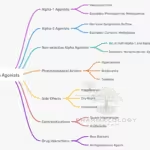
Pharmacology of Alpha Agonists

alpha blockers

Introduction to Alpha Agonists: Alpha agonists are a class of drugs that primarily act on alpha-adrenergic receptors. These receptors are part of the sympathetic nervous system and respond to the neurotransmitters epinephrine (adrenaline) and norepinephrine (noradrenaline). When activated, alpha receptors typically cause constriction of blood vessels and an increase in blood pressure. Alpha agonists can … Read more
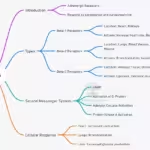

Beta Receptors: A Complete Overview for Medical Professionals

Beta receptors

Introduction to Beta Receptors: Beta receptors are adrenergic receptors that respond to the neurotransmitters epinephrine (adrenaline) and norepinephrine (noradrenaline). They are part of the G-protein-coupled receptor family and play a crucial role in the sympathetic nervous system, responsible for the “fight or flight” response. There are three main types of beta receptors: beta-1 (ฮฒ1), beta-2 … Read more

Antidepressant Drugs: A brief note

Antidepressant Drugs or antidepressants

Brief Summary Drugs can increase monoaminergic transmission by inhibiting the metabolism or reuptake of neurotransmitters such as serotonin (5-HT) and noradrenaline (NA). MAO Inhibitors Reuptake Inhibitors I. Tricyclic antidepressants Tricyclic Antidepressants and Serotonin-Noradrenaline Reuptake Inhibitors Tricyclic Antidepressants (TCA) inhibit serotonin and noradrenaline reuptake, leading to increased transmitter concentration in the synaptic cleft. Bupropion also inhibits … Read more

Pharmacology of Antianxiety Drugs

antianxiety drugs

Introduction Anxiety disorders are among the most prevalent mental health conditions globally, encompassing generalized anxiety disorder (GAD), panic disorder, social anxiety, phobias, and more. Characterized by excessive worry, fear, and sympathetic hyperarousal, these conditions can significantly impair quality of life and daily functioning.ย Antianxiety drugs, also known as anxiolytics, form an essential component of treatment, often … Read more