
Sympathomimetics: Beta-Agonists

Beta-agonists

Introduction to Beta-Agonists: Beta-agonists are medications that stimulate beta receptors in the body. These receptors are found in various tissues, including the lungs, heart, and blood vessels. Due to their effects, beta-agonists are commonly used to treat conditions like asthma, chronic obstructive pulmonary disease (COPD), and certain heart conditions. Classification of Beta-Agonists: Mechanism of action: … Read more
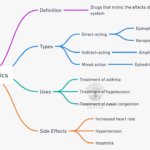

Sympathomimetics/Adrenergic agonists

sympathomimetics

1 · Introduction Sympathomimetic agents—or adrenergic agonists—comprise a pharmacological super-family that mimics or amplifies the actions of endogenous catecholamines (noradrenaline, adrenaline and dopamine) at α1, α2, β1, β2, β3 and dopaminergic receptors. Their capacity to modulate cardiovascular tone, airway calibre, intra-ocular pressure, central arousal and metabolic flux renders them indispensable across emergency medicine, anaesthesia, respiratory … Read more

Pharmacotherapy of Cough

cough

Introduction Cough—an involuntary, forceful expulsion of air from the lungs—is one of the most frequent symptoms leading to medical consultation. As a physiologic reflex, cough serves as the body’s first line of defense against respiratory tract infection, foreign bodies, mucus, and irritants. Despite its protective role, chronic or severe cough substantially impairs quality of life, … Read more